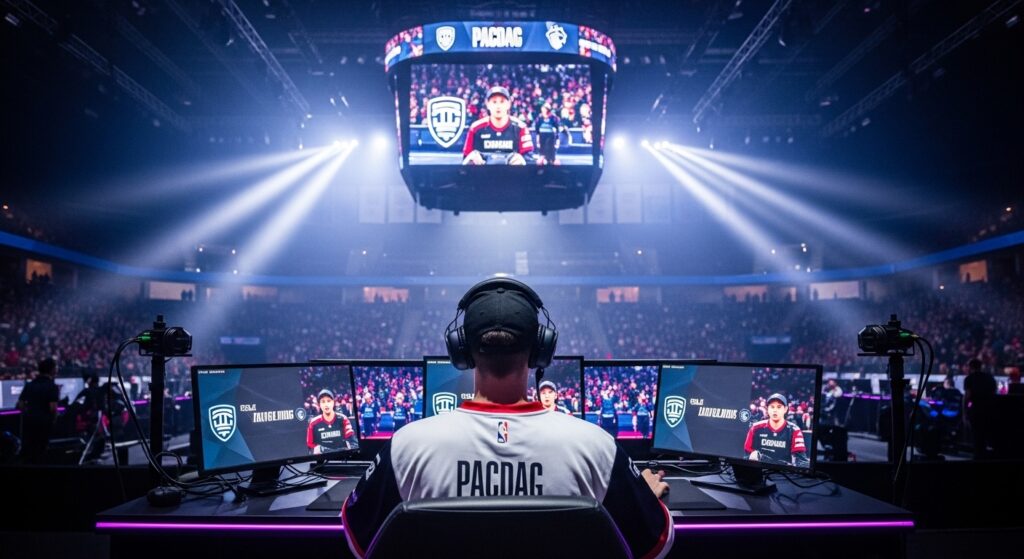
In recent years, the world of sports has undergone a major transformation. While traditional sports like football, basketball, and soccer continue to dominate, a new type of competition has emerged and captured the world’s attention—esports. Once considered a niche activity for gamers, esports has rapidly evolved into a global phenomenon. From sold-out stadiums to streaming platforms watched by millions, esports has become a central player in the entertainment industry. In this post, we will delve into what makes esports so unique, its explosive growth, and what the future holds for competitive gaming.
The Origins of Esports: From Casual Play to Professional Competitions
Esports, short for “electronic sports,” refers to organized, multiplayer video game competitions, particularly between professional players, individually or as teams. The origins of competitive gaming can be traced back to the early 1990s, when video games like Street Fighter II and Doom were first played in competitive formats. However, the real breakthrough came in the late 1990s and early 2000s, with the advent of online multiplayer games like StarCraft and Warcraft III. These games allowed players to compete against each other from around the world, setting the stage for the modern esports industry.
By the mid-2000s, the popularity of esports began to grow, particularly in South Korea, where professional StarCraft leagues were formed, and the first major global tournaments were held. These early competitions laid the foundation for esports as a serious form of entertainment, and over time, sponsorships, prize money, and streaming platforms gave professional players and teams the recognition they deserved.
The Esports Boom: From Niche to Global Entertainment
Over the past decade, esports has transitioned from a niche hobby to a thriving global industry. The growth of high-speed internet and the rise of streaming platforms like Twitch, YouTube, and Facebook Gaming have played pivotal roles in bringing esports to a massive audience. Esports tournaments that once took place in small venues have now become major international events, attracting thousands of live spectators and millions of online viewers.
In 2023, the global esports industry was valued at over $1 billion, and experts predict this number will continue to climb. Major tournaments for games like League of Legends, Dota 2, and Counter-Strike: Global Offensive offer multi-million dollar prize pools, with millions of viewers tuning in from across the globe. The excitement surrounding these events is palpable, with live broadcasts featuring expert commentary, in-depth analysis, and behind-the-scenes content. Esports has firmly established itself as a serious player in the entertainment industry, rivaling traditional sports in terms of viewership and engagement.
Why Esports Is So Popular: The Appeal Beyond Gaming
Esports’ meteoric rise can be attributed to several factors that make it unique compared to traditional sports. For one, it is incredibly accessible. Anyone with a computer or gaming console and an internet connection can participate, whether casually or competitively. Unlike traditional sports, which require physical prowess or expensive equipment, esports allows people from all walks of life to get involved in competitive play.
Furthermore, esports is inherently social. With live streaming platforms, fans can interact with players, coaches, and commentators in real time. Twitch and YouTube allow viewers to not only watch their favorite games but also engage in live chats, participate in polls, and support their favorite streamers with donations and subscriptions. This level of interaction has created an engaged, passionate community around esports that feels more connected to its players than the average fan in traditional sports.
The sheer thrill of watching highly skilled players compete at the highest levels also contributes to esports’ popularity. Esports tournaments are fast-paced, filled with high stakes, and feature moments of drama that keep viewers on the edge of their seats. The strategic depth of games like Dota 2 and League of Legends means there’s always something new to learn, and the competition constantly evolves with updates and patches that change how games are played.
The Business of Esports: An Industry Worth Billions
As esports has grown, so has its economic impact. The industry has become a multi-billion-dollar business, driven by sponsorships, media rights, merchandising, and ticket sales. Major brands from outside the gaming world, such as Coca-Cola, Intel, and Red Bull, have invested heavily in esports, recognizing its value as a marketing platform. Companies are eager to partner with esports organizations, tournaments, and players to reach younger, tech-savvy audiences who are often hard to target with traditional advertising.
The expansion of esports has also created a booming job market. From professional players and coaches to analysts, broadcasters, content creators, and event organizers, the esports industry has provided a wide range of career opportunities. Esports organizations like Team Liquid, Cloud9, and T1 are now considered major brands, and their success is heavily influenced by their ability to manage their business operations as much as their performance on the battlefield.
Additionally, esports tournaments and leagues have become lucrative sources of income. Prize pools for major events like The International (for Dota 2) and League of Legends World Championship often reach millions of dollars. Sponsorships and broadcasting deals have allowed top players and teams to secure multi-million dollar contracts, while the sheer scale of global tournaments means even smaller events can generate substantial revenue from ticket sales and online streaming.
The Players: Professional Gamers as Digital Athletes
While esports may not require physical endurance in the same way traditional sports do, it certainly demands a high level of skill, concentration, and mental stamina. Professional esports players are essentially digital athletes, dedicating hours each day to practicing their skills, learning new strategies, and refining their gameplay. In addition to in-game training, players often work with coaches, analysts, and performance experts to optimize their performance.
Professional gamers are not only competing for cash prizes but also for their place in the spotlight. Just like athletes in traditional sports, top esports players have become celebrities in their own right. They enjoy large fan followings on social media, where they share insights into their training routines, daily lives, and personal journeys. Many players also supplement their incomes through streaming, sponsorships, and brand deals.
However, the road to becoming a professional esports player is not easy. Players must start young, often honing their skills in competitive environments as teenagers. The pressure to perform is immense, and the career lifespan of an esports player can be short due to the intense nature of the game and the mental fatigue involved. Yet, for those who can endure, the rewards are considerable—both in terms of financial compensation and fame.
The Global Esports Community: A New Era of Fan Engagement
One of the most exciting aspects of esports is its global community. Esports transcends geographical boundaries, allowing players and fans from all over the world to come together to share their love for gaming. Fans can watch live broadcasts of tournaments and interact with each other through online forums, social media, and fan clubs. This sense of community is one of the key factors driving esports’ popularity.
Unlike traditional sports, which are often confined to specific regions, esports is a global spectacle. Major tournaments are held in various countries, with fans traveling from across the globe to attend. The multicultural nature of esports means that fans from different backgrounds can unite over a shared passion for gaming. The ability to communicate and connect with others from different cultures has helped forge lasting friendships and networks in the esports world.
Moreover, esports has helped to break down gender and cultural barriers, with both men and women competing at the highest levels. Esports is an inclusive space where anyone, regardless of background or gender, can excel if they have the right skills and determination.
The Future of Esports: Innovation and Expansion
Looking ahead, the future of esports appears bright, with continued innovation and growth on the horizon. Virtual reality (VR) and augmented reality (AR) are expected to play a major role in shaping the future of competitive gaming, offering more immersive and interactive experiences for players and spectators alike. As technology continues to advance, esports could evolve into even more complex and exciting forms of entertainment.
The expansion of mobile gaming is another key trend that will drive the growth of esports. Mobile esports tournaments are already gaining traction in markets like Southeast Asia, where mobile gaming is incredibly popular. As smartphones continue to improve in performance, mobile esports will likely become an even bigger part of the global esports ecosystem.
Finally, esports’ integration into mainstream sports and entertainment will continue to expand. We’re likely to see more crossovers between traditional sports and esports, with professional sports teams and organizations investing in esports franchises and esports athletes. Universities are also beginning to offer scholarships for esports players, recognizing gaming as a legitimate sport. As the lines between digital and physical sports continue to blur, esports will play an increasingly important role in the future of competition.
Conclusion: Esports Is Here to Stay
Esports has firmly established itself as a cornerstone of modern entertainment. What began as a passion for gaming has transformed into a billion-dollar industry with millions of fans and professional players. Its accessibility, community-driven nature, and global appeal have set esports apart from traditional sports and made it a force to be reckoned with in the entertainment world.
As the industry continues to grow, innovate, and expand, esports will only become more integrated into our daily lives. For players, fans, and brands alike, esports offers a thrilling, dynamic experience that shows no signs of slowing down. Whether you’re a competitive gamer, a casual viewer, or a brand looking to reach a new audience, esports is a world that’s waiting for you to dive in.



More Stories
Pixels to Podiums: The Evolution of Esports in the Modern Era
Pixels to Powerhouses: How Esports Redefined Competition in the Digital Age
Pixels to Powerhouses: How Esports Redefined Competition in the Digital Age