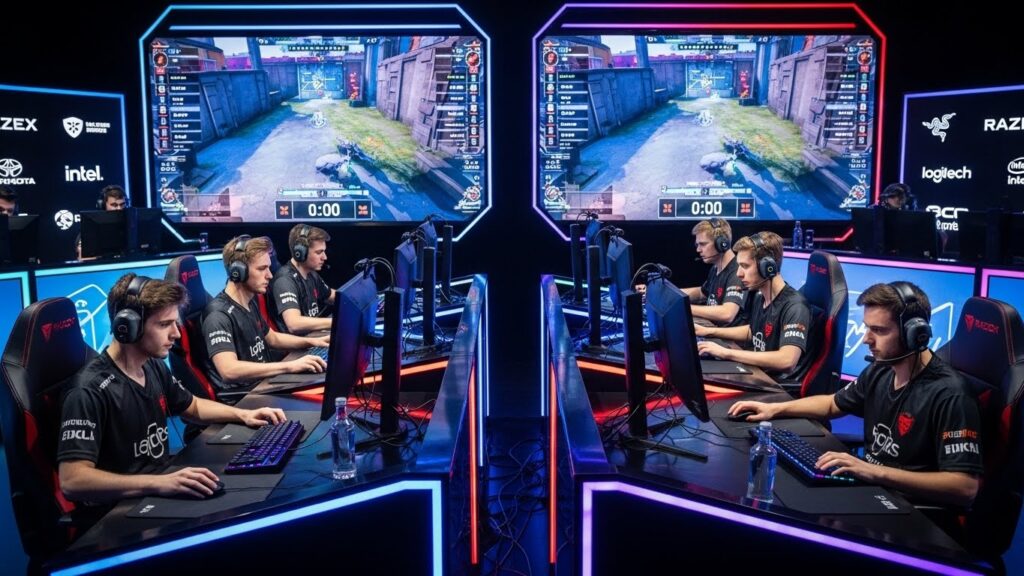
Introduction: The Rise of a New Arena
Esports, once dismissed as casual gaming, has evolved into a global competitive phenomenon that rivals traditional sports in scale, passion, and professionalism. What began in bedrooms and internet cafés has transformed into sold-out arenas, multimillion-dollar prize pools, and careers that inspire millions of young people worldwide. Esports is no longer just about playing games; it is about strategy, teamwork, discipline, entertainment, and a rapidly expanding industry that continues to reshape how we define competition in the modern era.
Understanding Esports Beyond Gaming
At its core, esports refers to organized, competitive video gaming where players or teams compete under structured rules in front of live or online audiences. Unlike casual gaming, esports demands rigorous training, deep knowledge of game mechanics, quick decision-making, and exceptional coordination. Players specialize in specific roles, practice for hours daily, and work with coaches, analysts, and support staff much like athletes in traditional sports. This professional structure is what separates esports from ordinary gaming and positions it as a legitimate competitive field.
The Evolution of Esports Through Time
The journey of esports spans decades. Early competitive gaming events in the late twentieth century were small-scale gatherings centered around arcade games and early console titles. As internet connectivity improved, online multiplayer games allowed players from different regions to compete, laying the foundation for global tournaments. Over time, advancements in streaming technology enabled fans to watch matches live, accelerating esports growth. Today, esports tournaments are broadcast in multiple languages and watched by millions across continents, marking a dramatic transformation from its humble beginnings.
Popular Esports Titles and Their Influence
Esports thrives on a diverse range of game genres, each attracting unique audiences. Multiplayer online battle arena games emphasize teamwork and strategy, while first-person shooters focus on reflexes, precision, and map control. Sports simulation games mirror real-world athletics, and battle royale titles add unpredictability and survival elements. Each game contributes to the esports ecosystem by appealing to different player skills and fan interests, ensuring that the industry remains dynamic and inclusive.
The Professional Esports Athlete
Becoming a professional esports player requires far more than raw talent. Players undergo intense training schedules that include mechanical practice, strategic analysis, physical fitness, and mental conditioning. Reaction time, hand-eye coordination, and adaptability are crucial, but so are communication skills and emotional control. Many teams employ psychologists and fitness trainers to help players maintain peak performance. This holistic approach demonstrates that esports athletes face challenges comparable to those encountered by traditional sports professionals.
Teams, Organizations, and Competitive Structure
Esports teams function as professional organizations with management, branding, sponsorships, and fan engagement strategies. These teams recruit players through scouting and tryouts, sign contracts, and compete in leagues and tournaments throughout the year. Some leagues operate on seasonal formats, while others use open tournament systems. This structured competition ensures consistency, fairness, and long-term development of talent, reinforcing esports as a sustainable competitive ecosystem.
The Role of Technology in Esports Growth
Technology is the backbone of esports. High-performance gaming hardware, fast internet connections, and advanced software enable seamless competition and broadcasting. Streaming platforms have revolutionized fan engagement by allowing audiences to interact with players and commentators in real time. Virtual reality, artificial intelligence, and data analytics are now being explored to enhance training, viewing experiences, and performance evaluation. As technology continues to advance, esports will likely push innovation even further.
Esports as Entertainment and Spectacle
Esports is not just about competition; it is also a form of entertainment. Professional events feature elaborate stage designs, immersive visuals, expert commentary, and dramatic storytelling. Fans follow their favorite teams and players with loyalty similar to that seen in traditional sports fandoms. Rivalries, underdog stories, and championship moments create emotional connections that keep audiences invested. This entertainment value has been a key driver in esports’ global appeal.
Economic Impact and Career Opportunities
The esports industry has created a wide range of career paths beyond professional play. Opportunities exist in coaching, event management, broadcasting, marketing, game development, and content creation. Brands and sponsors invest heavily in esports due to its young, engaged audience. Merchandise sales, media rights, and ticket revenues contribute to a growing economic ecosystem. This expansion demonstrates that esports is not a passing trend but a viable industry with long-term potential.
Education and Esports Integration
Educational institutions have begun recognizing esports as a valuable platform for learning and engagement. Schools and universities now offer esports programs, scholarships, and competitive teams. These initiatives help students develop skills such as teamwork, leadership, critical thinking, and digital literacy. By integrating esports into education, institutions are bridging the gap between passion and professional development, preparing students for careers in both gaming and technology-driven fields.
Health, Balance, and Responsibility
Despite its growth, esports faces challenges related to player health and well-being. Long hours of screen time can lead to physical strain, while competitive pressure may impact mental health. Responsible organizations emphasize balanced lifestyles, proper ergonomics, and mental support systems. Promoting healthy habits ensures that players can sustain long careers and enjoy their profession without long-term consequences.
Global Culture and Community Building
Esports transcends geographical and cultural boundaries. Players and fans from different backgrounds connect through shared passion, creating global communities. International tournaments foster cultural exchange and mutual respect, while online platforms allow fans to engage regardless of location. This global connectivity highlights esports’ unique ability to unite people through digital competition.
Challenges Facing the Esports Industry
While esports continues to grow, it faces obstacles such as regulatory inconsistencies, player burnout, and concerns over inclusivity. Establishing standardized rules and fair governance remains an ongoing process. Addressing these challenges requires collaboration among developers, organizations, players, and governing bodies to ensure sustainable growth and ethical practices.
The Future of Esports
The future of esports looks promising and transformative. With continued technological innovation, expanding audiences, and increased institutional support, esports is poised to become an even more integral part of global entertainment and culture. Emerging markets, new game genres, and evolving fan experiences will shape the next chapter of competitive gaming. Esports will likely continue blurring the lines between physical and digital competition, redefining what it means to be an athlete in the twenty-first century.
Conclusion: A New Definition of Competition
Esports represents a powerful shift in how society views competition, skill, and entertainment. It has transformed video games into a professional, respected, and influential industry that inspires millions worldwide. From passionate players and dedicated fans to innovative technology and global communities, esports embodies the spirit of modern competition. As it continues to evolve, esports stands not just as a trend, but as a defining element of the digital age, proving that greatness can be achieved not only on physical fields, but also within virtual arenas.



More Stories
Pixels to Podiums: The Evolution of Esports in the Modern Era
Pixels to Powerhouses: How Esports Redefined Competition in the Digital Age
Pixels to Powerhouses: How Esports Became a Global Competitive Culture