Introduction: Esports as a Modern Phenomenon
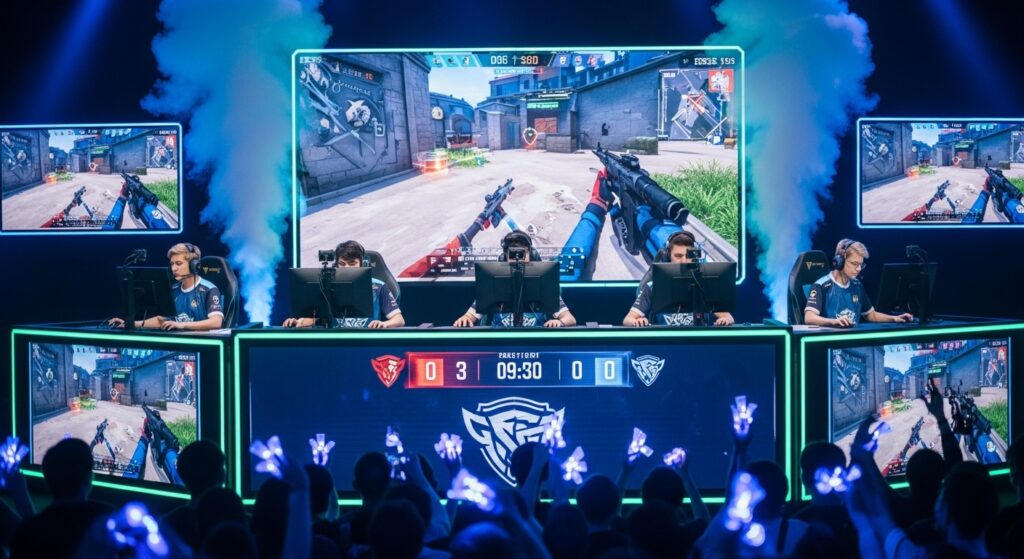
Esports has rapidly transformed from a niche hobby into a mainstream form of entertainment. Millions of players compete in tournaments worldwide, and millions of fans tune in to watch live streams and championships. Unlike traditional gaming, esports combines skill, strategy, and teamwork, making it a highly competitive and engaging activity for players and spectators alike.
The Growth of Competitive Gaming
Competitive gaming has come a long way. Early esports events were small, local tournaments that brought gamers together in community halls or LAN cafés. With the advancement of technology and the rise of online connectivity, esports evolved into a global industry. Today, international tournaments, professional leagues, and sponsorships define the esports landscape, attracting attention comparable to traditional sports.
Skills and Dedication Required
Success in esports requires more than reflexes. Professional players train for hours each day to develop strategic thinking, teamwork, and adaptability. Mental focus and decision-making under pressure are crucial, as matches are often won or lost in moments of split-second action. The dedication and discipline required are akin to that of traditional athletes, proving esports as a legitimate competitive pursuit.
The Esports Industry and Opportunities
Esports has grown into a multi-billion-dollar industry, creating opportunities beyond the players themselves. Coaches, analysts, event organizers, commentators, and content creators contribute to a thriving ecosystem. Sponsorships, merchandise, and media coverage continue to expand the industry, making esports both a career path and a global entertainment platform.
Community and Connectivity
One of the unique aspects of esports is its ability to build communities. Online tournaments, multiplayer platforms, and streaming services connect players and fans from around the world. Through these connections, esports fosters collaboration, communication, and shared experiences, creating a global network of gamers who support, challenge, and inspire each other.
Challenges in Esports
Despite its rapid growth, esports faces challenges such as player burnout, fair play concerns, and maintaining a balance between competition and wellbeing. Organizations are increasingly implementing regulations and support systems to ensure sustainable growth and the mental and physical health of players, making the esports environment safer and more professional.
Conclusion: The Future of Esports
Esports is more than just gaming—it is a dynamic and evolving form of competition that combines skill, technology, and entertainment. With advancements in streaming, virtual reality, and interactive platforms, esports will continue to grow and redefine how we view competition in the digital age. As it expands, esports inspires a new generation of players and fans, proving that gaming is now a legitimate global sport.



More Stories
Pixels to Podiums: The Evolution of Esports in the Modern Era
Pixels to Powerhouses: How Esports Redefined Competition in the Digital Age
Pixels to Powerhouses: How Esports Redefined Competition in the Digital Age