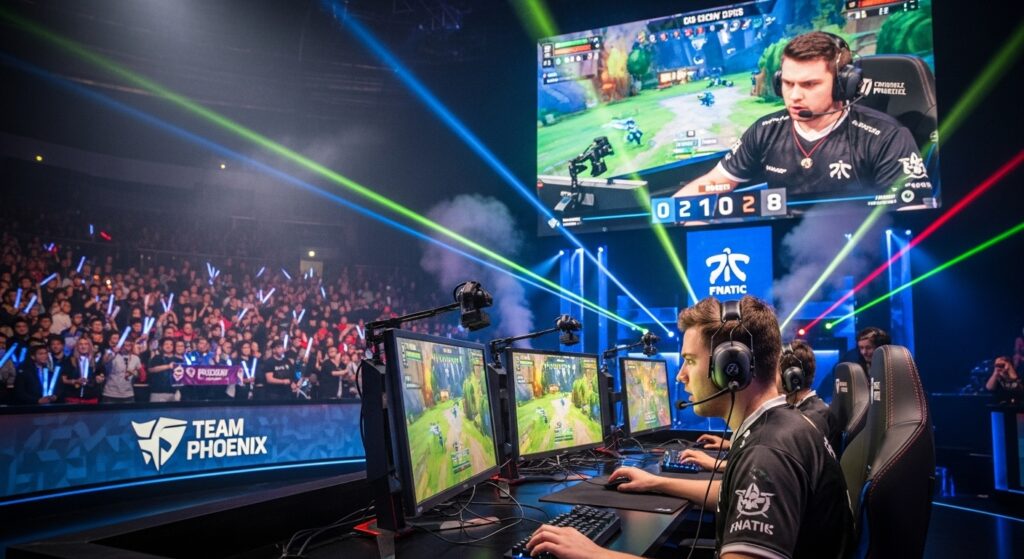
Esports, short for electronic sports, has transformed from a niche hobby into a global entertainment phenomenon. Over the past few decades, competitive gaming has evolved into a professional industry with structured leagues, international tournaments, lucrative sponsorships, and millions of passionate fans. Esports combines skill, strategy, teamwork, and entertainment, offering players and audiences an immersive experience unlike any other. This blog explores the origins, growth, cultural impact, business dynamics, and future of esports, highlighting why it has become a significant part of modern society.
The Origins of Competitive Gaming
The roots of esports trace back to the 1970s and 1980s, when video games first became a popular form of recreation. Early competitions, such as the 1980 Space Invaders Championship in the United States, attracted thousands of participants, signaling the potential for competitive gaming. These events were small-scale and informal, but they laid the foundation for future professionalization.
Arcade culture played a major role in shaping early competitive gaming. Popular games like Pac-Man, Donkey Kong, and Street Fighter allowed players to challenge each other locally, creating informal communities centered around skill and high scores. Home consoles, which became widely available in the 1980s, expanded the accessibility of gaming, allowing individuals to practice and compete from their living rooms.
The Internet Revolution and Global Connectivity
The advent of the internet in the 1990s revolutionized esports by enabling global competition. Online multiplayer games allowed players from different regions to compete in real time, breaking down geographical barriers. Titles such as StarCraft in South Korea and Counter-Strike in Europe became early examples of competitive gaming communities flourishing online.
South Korea emerged as a hub for professional esports. The country embraced gaming as a cultural phenomenon, with televised competitions, professional leagues, and dedicated esports arenas. StarCraft tournaments in the early 2000s drew massive audiences and elevated top players to celebrity status. The South Korean model demonstrated that esports could be a legitimate career and laid the groundwork for professional teams and organizations worldwide.
Professionalization of Esports
Today, esports is a highly professional industry. Top players dedicate hours every day to training, often under structured schedules that include strategy development, teamwork, and physical conditioning. Professional teams employ coaches, analysts, psychologists, and support staff to maximize performance and ensure player health.
Major tournaments, including The International for Dota 2, the League of Legends World Championship, and the Fortnite World Cup, attract millions of viewers globally. Prize pools reach millions of dollars, making competitive gaming a viable profession. Esports’ professionalization has created a structured ecosystem comparable to traditional sports, with teams, leagues, sponsors, and fan communities driving growth.
Popular Esports Games and Genres
Esports encompasses various game genres, each with distinct mechanics and competitive appeal. Multiplayer online battle arena (MOBA) games, such as League of Legends and Dota 2, emphasize teamwork, strategy, and tactical execution. First-person shooters (FPS), including Counter-Strike: Global Offensive and Call of Duty, highlight precision, reflexes, and coordination.
Battle royale games like Fortnite and PUBG combine survival tactics with strategy, creating unpredictable and dynamic gameplay. Fighting games such as Street Fighter and Tekken focus on individual skill and reaction time, while sports simulation titles like FIFA and NBA 2K merge traditional sports fandom with digital competition. The diversity of genres ensures that esports appeals to a wide range of players and audiences.
The Role of Streaming Platforms
Streaming platforms have been instrumental in popularizing esports. Services like Twitch, YouTube Gaming, and Facebook Gaming allow fans to watch live competitions, follow favorite players, and engage with interactive communities. Streaming has transformed esports into a spectator-driven industry, enabling global access to tournaments and events.
Professional players often build personal brands through streaming, generating revenue from subscriptions, donations, and sponsorships. The interactive nature of streaming strengthens the connection between players and fans, fostering community engagement and loyalty. Streaming has made esports accessible to millions worldwide and elevated it to mainstream entertainment.
Sponsorships and Revenue Streams
Esports has grown into a highly lucrative industry, attracting investment from technology companies, consumer brands, and traditional sports organizations. Sponsorships fund teams, tournaments, and individual players, providing financial support and stability. Companies invest in esports to reach engaged audiences, particularly younger demographics that are difficult to access through traditional media.
Revenue streams include tournament winnings, advertising, media rights, merchandise, ticket sales, and in-game purchases. Esports organizations diversify income sources to ensure sustainability, blending competitive success with brand partnerships, content creation, and digital marketing. This commercial success highlights esports’ position as a professional and economic powerhouse.
Careers Beyond Professional Play
While top players earn substantial income, esports offers diverse career opportunities beyond competition. Roles include coaches, analysts, event organizers, broadcasters, and content creators. These positions support the industry’s infrastructure and ensure the growth of professional esports.
A career in esports requires discipline, adaptability, and resilience. Players and professionals must navigate rapidly evolving game environments, changing platforms, and high levels of competition. Support staff enhance performance, manage logistics, and maintain player well-being, reflecting esports’ professional structure and maturity.
Community and Cultural Impact
Esports is not only about competition—it is a cultural movement. Fans engage in forums, social media groups, and conventions, creating communities centered around shared interests. The global nature of esports fosters interaction across cultures, with players from different countries forming friendships, rivalries, and collaborative networks.
Esports also influences mainstream culture. Popular games inspire merchandise, music collaborations, films, and streaming content, creating cross-media appeal. The growth of esports highlights its ability to unite diverse audiences and create shared experiences, making it both a competitive and social phenomenon.
Training, Health, and Physical Wellness
Professional esports players face unique physical and mental demands. Extended gaming sessions require hand-eye coordination, reflexes, focus, and strategic thinking. Many professional players follow structured routines that include exercise, nutrition, and mental conditioning.
Teams employ sports psychologists, physiotherapists, and wellness coaches to manage stress, prevent burnout, and optimize performance. Physical and mental health management is critical in esports, emphasizing that professional gaming requires preparation, endurance, and strategic planning akin to traditional sports.
Technology and Innovation in Esports
Technology underpins every aspect of esports. High-performance computers, peripherals, and software enable precision, communication, and real-time strategy analysis. Reliable internet infrastructure ensures smooth gameplay, while data analytics provide insights into player performance and opponent strategies.
Emerging technologies like virtual reality, augmented reality, and cloud gaming are poised to redefine esports. These innovations enhance immersion, interactivity, and accessibility, offering new experiences for players and fans. Technology’s role in esports highlights the synergy between digital innovation and competitive entertainment.
Esports in Education
Esports has found a foothold in educational settings. Universities and schools now offer esports programs, scholarships, and student-run teams. Academic courses cover game design, esports management, digital media, and streaming, providing structured pathways for aspiring professionals.
Integrating esports into education legitimizes gaming as a career while promoting discipline, teamwork, and strategic thinking. Students gain skills applicable both within and beyond competitive gaming, demonstrating esports’ potential to shape the next generation of professionals.
Challenges Facing Esports
Despite its rapid growth, esports faces challenges. Player burnout, mental health issues, and short competitive careers are common concerns. Regulatory frameworks, player rights, and competitive integrity are still developing in many regions.
Inclusivity remains a focus. Women, minorities, and underrepresented groups often encounter barriers to participation. Initiatives promoting diversity, equality, and safe gaming environments are growing, ensuring that esports continues to be accessible and welcoming. The fast pace of game updates and platform changes also requires constant adaptation by players and organizations.
The Intersection of Esports and Traditional Sports
Esports increasingly intersects with traditional sports. Professional sports organizations invest in esports teams, and athletes participate in digital competitions. This crossover validates esports as a legitimate competitive field and expands audiences.
Events such as FIFA esports tournaments and NBA 2K leagues bridge the gap between physical and virtual sports. These collaborations create unique entertainment experiences and highlight the growing legitimacy and influence of esports on global culture.
The Future of Esports
The future of esports is dynamic and promising. Advancements in virtual reality, artificial intelligence, cloud gaming, and streaming technology will continue to enhance player and spectator experiences. Global expansion and mainstream acceptance will further solidify esports as a major entertainment industry.
Esports will become increasingly interactive, with fans influencing gameplay, outcomes, and community engagement. Integration with mainstream media, education, and corporate sponsorships will create structured opportunities for players, coaches, and industry professionals. Esports is poised to remain a leading force in entertainment and digital culture for decades to come.
Conclusion
Esports has transformed from casual gaming into a professional, global phenomenon. It demands skill, strategy, teamwork, and discipline, paralleling traditional sports in professionalism and cultural impact. Professional teams, international tournaments, streaming platforms, and sponsorships have created a thriving ecosystem that supports players, fans, and businesses.
The rise of esports reflects the transformative power of technology, creativity, and community. It connects people across cultures, fosters engagement, and offers economic and professional opportunities. As esports continues to evolve, it will shape the future of gaming, entertainment, and global culture, establishing itself as an enduring and influential industry.
Esports is more than a game—it is a movement, a career path, and a cultural phenomenon that mirrors humanity’s innovation, competitiveness, and desire for connection. Its journey is ongoing, and its impact will continue to redefine how people experience competition, collaboration, and entertainment in the digital era.



More Stories
Pixels to Podiums: The Evolution of Esports in the Modern Era
Pixels to Powerhouses: How Esports Redefined Competition in the Digital Age
Pixels to Powerhouses: How Esports Redefined Competition in the Digital Age