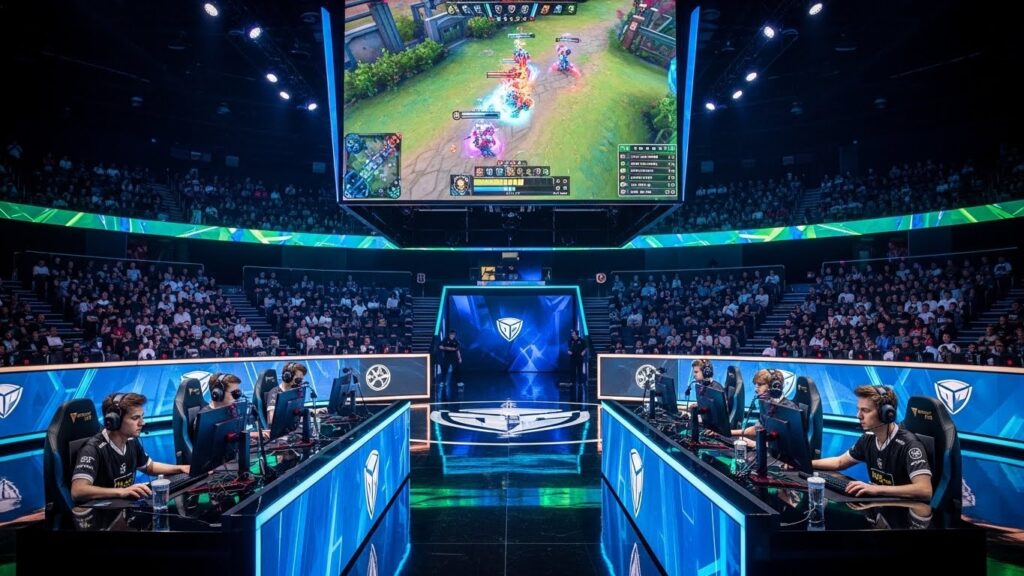
Esports, or competitive video gaming, has transformed from a niche pastime into a global entertainment phenomenon. What began as informal competitions among friends in the early days of gaming has evolved into a multi-billion-dollar industry, attracting professional players, massive audiences, and corporate sponsorships. Esports is now a cultural movement that merges technology, entertainment, and competition, redefining what it means to play and watch games in the 21st century.
The Origins of Esports
The origins of esports date back to the 1970s and 1980s when simple arcade games and home consoles first became popular. Early competitions often centered on high scores in games like “Space Invaders” or “Pac-Man.” These contests were primarily for fun, with players competing locally at arcades or at school tournaments.
The introduction of personal computers in the 1980s and 1990s opened up new possibilities for competitive gaming. Strategy games, fighting games, and first-person shooters allowed players to compete in more complex scenarios, while the rise of local area networks (LANs) enabled multiplayer competitions within small communities. These developments laid the foundation for organized esports tournaments and professional gaming leagues.
The Rise of Online Gaming
The internet revolution of the late 1990s and early 2000s dramatically changed the esports landscape. Online connectivity allowed players to compete across cities, countries, and continents. Games like “Counter-Strike,” “StarCraft,” and “Warcraft” became pillars of competitive gaming, offering both skill-based competition and spectator appeal.
Online platforms also created communities of players and fans who shared strategies, formed teams, and participated in tournaments. The ability to watch live matches and interact with other players through chat rooms and forums helped esports gain a loyal following.
Popular Esports Game Genres
Esports encompasses a wide variety of game genres, each attracting its own community of players and fans. Understanding these genres highlights why esports has achieved global appeal.
Multiplayer Online Battle Arenas
Multiplayer online battle arenas, or MOBAs, are among the most popular esports genres. In these games, teams compete to destroy the opponent’s base while strategically managing resources and controlling characters with unique abilities. Titles like “League of Legends” and “Dota 2” dominate the MOBA scene, featuring complex gameplay that rewards teamwork, strategy, and quick thinking.
First-Person Shooters
First-person shooters, or FPS games, emphasize precision, reflexes, and tactical decision-making. Players compete in fast-paced combat scenarios, often as part of teams. Games like “Counter-Strike: Global Offensive” and “Call of Duty” have become staples in esports tournaments, offering thrilling gameplay and spectator excitement.
Fighting Games
Fighting games focus on one-on-one combat, where players master timing, combos, and character strategies. Competitive fighting game tournaments, such as those featuring “Street Fighter” or “Tekken,” highlight high skill ceilings and intense rivalries.
Sports Simulation Games
Sports simulation games emulate real-world sports such as football, basketball, and racing. These games attract traditional sports fans as well as gamers, creating crossover appeal. Titles like “FIFA” and “NBA 2K” have developed competitive esports leagues with significant followings.
Strategy Games
Strategy games require careful planning, resource management, and long-term decision-making. They appeal to players who enjoy intellectual challenges and tactical depth. Classic titles such as “StarCraft” and “Age of Empires” continue to maintain esports relevance due to their complexity and competitive potential.
Professional Esports Players
Professional esports players are the backbone of the industry. These athletes dedicate countless hours to practice, teamwork, and mental conditioning. Becoming a professional requires not only skill but also discipline, strategic thinking, and resilience.
Players often belong to esports organizations that provide coaching, training facilities, and support staff. These organizations manage teams, handle contracts, and organize participation in global tournaments. Just like traditional sports, professional players must balance practice, media obligations, and competition while maintaining peak performance.
Esports Tournaments and Leagues
Esports tournaments and leagues are where the industry truly shines. These events range from small regional competitions to international championships with massive prize pools. Some tournaments, such as the “League of Legends World Championship” or “The International” for Dota 2, offer multi-million-dollar prizes and attract millions of viewers worldwide.
Leagues provide structured competition, ranking systems, and seasonal schedules, similar to professional sports. Teams compete in regular matches, earn points, and qualify for playoffs or global events. The excitement of live tournaments, combined with online streaming, has created a highly engaged fanbase.
The Role of Streaming Platforms
Streaming platforms have revolutionized esports by making matches accessible to anyone with an internet connection. Fans can watch live competitions, follow favorite players, and participate in interactive communities through chat and social media integration. Platforms such as live video services provide a space for amateur and professional players alike to showcase skills, build audiences, and gain recognition.
The interactive nature of streaming has also created new forms of entertainment. Viewers can comment on gameplay, vote on in-game decisions, and engage with other fans in real time. This combination of competition and community has helped esports thrive as a spectator sport.
Economic Impact of Esports
Esports has grown into a multi-billion-dollar global industry. Revenue streams include sponsorships, advertising, merchandise, ticket sales, and media rights. Major corporations invest in esports teams and events, recognizing the potential to reach a young, tech-savvy audience.
The industry also generates employment across multiple sectors. Game developers, event organizers, broadcasters, analysts, coaches, marketers, and production staff all contribute to esports’ success. The economic impact extends beyond the industry, influencing tourism, digital infrastructure, and technology development.
Technology and Innovation in Esports
Technology drives esports at every level. High-performance hardware ensures smooth gameplay, while software innovations enhance competition and viewing experiences. Advanced graphics and immersive game design keep players and audiences engaged, while real-time analytics help teams refine strategies.
Virtual reality and augmented reality are emerging as new frontiers in esports. These technologies have the potential to create immersive competitive experiences, offering players and viewers entirely new ways to engage with games.
Esports and Education
Esports is increasingly being recognized in educational settings. Schools and universities now offer esports scholarships, competitive programs, and academic courses focused on game design, broadcasting, and management. These programs provide students with career pathways and teach valuable skills such as teamwork, strategy, communication, and digital literacy.
Social and Cultural Influence of Esports
Esports has a profound social and cultural impact. It brings together individuals from different countries, backgrounds, and cultures, fostering global communities united by shared interests. Fans and players alike participate in online forums, social media groups, and live events, creating a sense of belonging and camaraderie.
Esports also challenges traditional perceptions of gaming. What was once considered a solitary or recreational activity is now recognized as a legitimate profession and a respected skill. This recognition has elevated the status of gaming and inspired a new generation of players to pursue esports careers.
Challenges Facing the Esports Industry
Despite its success, esports faces several challenges. Player burnout, long training hours, and mental health concerns are critical issues that organizations must address. Ensuring fair play, combating cheating, and managing contracts and sponsorships require careful oversight.
Regulation is still evolving, and standards vary across regions. Establishing consistent rules, safety protocols, and fair competition practices is essential for long-term growth. Additionally, balancing commercial interests with the authenticity of esports remains a challenge for industry stakeholders.
The Future of Esports
The future of esports looks promising. Advancements in technology, increased global accessibility, and growing mainstream recognition will continue to drive growth. New game genres, immersive experiences, and improved viewer interactivity will enhance engagement and expand audiences.
Esports is likely to become more integrated with traditional sports, entertainment, and media. Collaboration with mainstream broadcasting, educational institutions, and global brands will further solidify its position as a major cultural and economic force.
Conclusion
Esports has evolved from small arcade competitions to a global phenomenon that blends entertainment, competition, and technology. It has created professional careers, engaged millions of fans, and reshaped the gaming landscape. With technological innovation, growing accessibility, and cultural recognition, esports is poised to continue its explosive growth and influence.
Competitive gaming is no longer just a hobby—it is a legitimate sport, a global industry, and a cultural movement. As esports continues to expand, it will inspire players, entertain audiences, and redefine the way people experience competition and digital entertainment worldwide.



More Stories
Pixels to Podiums: The Evolution of Esports in the Modern Era
Pixels to Powerhouses: How Esports Redefined Competition in the Digital Age
Pixels to Powerhouses: How Esports Redefined Competition in the Digital Age