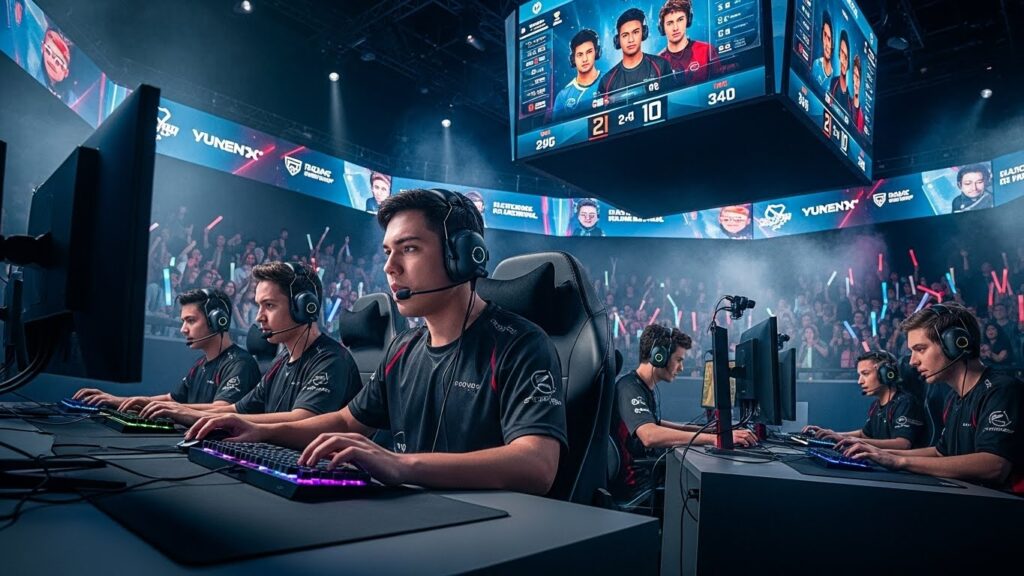
Esports has grown from a niche hobby into a global phenomenon, redefining how people perceive competition, teamwork, and entertainment. What once started as small gaming competitions in arcades or basements has evolved into a billion-dollar industry watched by millions worldwide. The digital arena now stands alongside traditional sports in prestige, fan engagement, and cultural influence. This blog explores the evolution, impact, and future of esports, highlighting its role in shaping modern society.
The Origins of Competitive Gaming
Competitive gaming, or esports, traces its roots back to the late 1970s with early arcade competitions. Games like Space Invaders and Pac-Man were some of the first to inspire organized tournaments. The 1980s and 1990s saw further developments with the rise of console gaming and multiplayer PC games. Early communities formed in arcades and local tournaments, fostering social interaction and friendly rivalries.
South Korea played a pivotal role in establishing esports as a professional endeavor. In the late 1990s, the country popularized games like StarCraft, hosting organized competitions that were broadcast on television. These early professional leagues set the standard for structured tournaments, formal rules, and player recognition, laying the foundation for the global esports industry we know today.
Understanding Esports
Esports is more than casual gaming. It encompasses organized, competitive play across a wide variety of video game genres, including first-person shooters, strategy games, fighting games, sports simulations, and multiplayer online battle arenas. Players compete individually or in teams, with success requiring exceptional skill, strategic thinking, and mental focus.
Unlike casual gaming, esports demands rigorous training and discipline. Professional players often practice several hours a day, analyze opponents’ strategies, and maintain both physical and mental fitness. Esports requires quick reflexes, precise coordination, effective communication, and adaptability, making it a highly competitive and challenging field.
Physical and Mental Demands on Players
Despite being digital, esports is physically and mentally demanding. Long hours of gameplay can lead to eye strain, repetitive strain injuries, and poor posture. Many professional teams now include fitness and wellness programs to ensure players maintain physical health, which also improves concentration and reaction times.
Mental resilience is equally important. Competitive gaming involves high-pressure situations, strategic decision-making, and split-second reflexes. Players must stay calm under stress, communicate effectively with teammates, and quickly adapt to evolving in-game scenarios. Mental fatigue, burnout, and stress are real challenges that require structured schedules, counseling, and support from teams.
Esports as a Global Cultural Phenomenon
Esports has evolved into a worldwide cultural movement. Millions of fans follow tournaments online, watch live streams, and participate in discussions on social media. Major events, such as international championships, attract audiences comparable to those of traditional sports finals.
The culture of esports also encompasses fashion, music, and entertainment. Gaming-inspired clothing, merchandise, and lifestyle branding are now mainstream. Cosplay, fan art, and gaming conventions further highlight the cultural influence of esports, creating communities united by shared interests and digital creativity.
Economic Impact of Esports
Esports is not just a cultural force but also a major economic driver. Revenue streams include sponsorships, media rights, merchandising, advertising, ticket sales, and prize money. Top esports teams operate similarly to traditional sports franchises, with coaching staff, analysts, marketing departments, and professional management.
Beyond the professional scene, esports has spurred technological innovation and employment opportunities. Game development, broadcasting, content creation, and event management are just a few sectors benefiting from the industry’s growth. In many countries, esports has become a legitimate career path, offering opportunities for players, commentators, organizers, and digital media specialists.
Esports and Education
Education has increasingly recognized the potential of esports. Universities and high schools now offer esports programs, scholarships, and clubs. These initiatives provide students with opportunities to develop skills such as teamwork, communication, strategic thinking, and time management.
Esports can also inspire interest in technology-related careers. Students involved in competitive gaming often pursue studies in computer science, software development, and digital media. Through esports, young people engage in practical, skill-based learning while developing discipline, resilience, and leadership qualities.
Technology and Innovation in Esports
Technology is at the heart of esports. High-performance computers, gaming consoles, peripherals, and software enable precise gameplay and competitive fairness. Streaming platforms allow fans to watch live matches and interact with players in real time, creating a sense of community and engagement.
Emerging technologies like virtual reality, augmented reality, and artificial intelligence are shaping the future of esports. Virtual reality can offer immersive experiences for both players and spectators, while AI helps analyze gameplay, optimize strategies, and train players. Technology ensures that esports remains dynamic, engaging, and continuously evolving.
Challenges Facing the Esports Industry
Despite its rapid growth, esports faces challenges. The lack of standardized regulations, inconsistent prize distribution, and contractual disputes can undermine professionalism. Player burnout, mental health concerns, and fair play remain pressing issues.
Gender disparity is another significant challenge. Female players often encounter harassment, discrimination, and fewer opportunities than their male counterparts. Promoting inclusivity, creating safe environments, and raising awareness are crucial steps to ensure esports remains equitable and accessible to all.
Esports Versus Traditional Sports
Esports shares similarities with traditional sports, such as structured leagues, professional players, and large-scale tournaments. However, it also differs fundamentally. Physical arenas are less central, with digital platforms serving as the main venue for competition. Fans engage through live streams, social media, and interactive platforms, creating a unique form of spectator experience.
Traditional sports organizations are increasingly investing in esports, highlighting the convergence of digital and physical competition. Athletes sometimes participate in gaming tournaments to connect with younger audiences, while esports teams adopt management practices from conventional sports. This fusion demonstrates the evolving nature of entertainment and competition in the digital age.
The Future of Esports
The future of esports is bright and promising. Mobile gaming is expanding the industry’s reach, making competitive play accessible worldwide. Interactive streaming, augmented reality, and cross-platform tournaments will enhance fan engagement and participation.
Sustainability and inclusivity will shape the future of esports. Energy-efficient gaming hardware, eco-conscious event planning, and programs promoting diversity and equity will ensure long-term growth. Esports will continue to innovate, pushing boundaries in digital entertainment, community engagement, and professional competition.
Conclusion: Esports as a Cultural and Professional Revolution
Esports has transformed the landscape of competition, entertainment, and culture. It challenges traditional notions of sports and demonstrates that competitive gaming demands skill, strategy, and discipline. Beyond the digital arena, esports fosters social connections, economic growth, educational opportunities, and technological innovation.
As esports continues to grow, it represents a new kind of sport that blends creativity, resilience, and digital expertise. Its cultural and professional impact is undeniable, influencing how people play, watch, and engage with games worldwide. For players, fans, and communities, esports is more than a pastime—it is a movement that reflects the potential of the digital era and the evolving nature of human competition.



More Stories
Pixels to Podiums: The Evolution of Esports in the Modern Era
Pixels to Powerhouses: How Esports Redefined Competition in the Digital Age
Pixels to Powerhouses: How Esports Redefined Competition in the Digital Age