Introduction to Esports
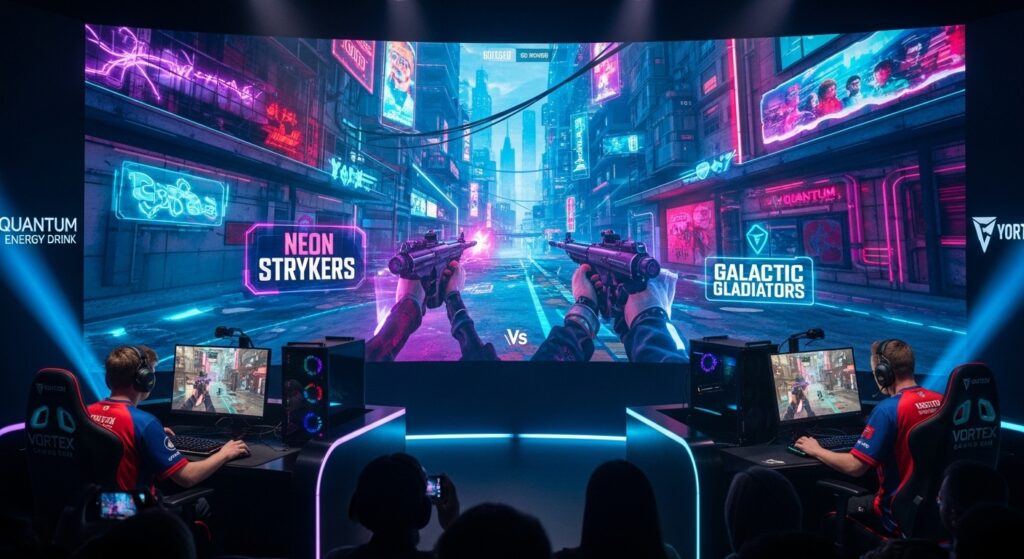
Esports, short for electronic sports, represents the evolution of gaming into a professional, competitive, and global industry. What began as a pastime for video game enthusiasts has now transformed into a billion-dollar phenomenon watched by millions worldwide. In today’s digital age, esports stands shoulder to shoulder with traditional sports, offering not only entertainment but also career opportunities, cultural impact, and social engagement. From massive tournaments to individual streamers, the growth of esports reflects the transformation of technology, community, and competition in the 21st century.
The Origins and Early Development of Esports
The story of esports begins in the late 20th century when video games first became popular in arcades and on home consoles. The earliest known esports event took place in 1972 at Stanford University, where students competed in a game called Spacewar. The prize was a year’s subscription to a magazine, but the event marked a turning point, showing that competitive gaming could bring people together.
In the 1980s and 1990s, gaming competitions started to gain more recognition. Titles like Pac-Man, Donkey Kong, and Street Fighter became the foundation for competitive gaming culture. During this time, video game arcades served as social hubs where players tested their skills against others. The introduction of online multiplayer gaming in the late 1990s further revolutionized the scene. Games such as Quake, StarCraft, and Counter-Strike brought competitive gaming from local arcades into the global online space, laying the groundwork for modern esports.
The Rise of Professional Gaming
As technology advanced, so did the competitive nature of gaming. By the early 2000s, esports began to organize itself into structured competitions with professional teams, sponsors, and dedicated fan bases. The launch of major tournaments such as the World Cyber Games, the Electronic Sports World Cup, and Major League Gaming marked the beginning of esports as a professional industry.
Players started earning real money, and gaming was no longer seen merely as a hobby. Esports athletes trained for hours daily, analyzed strategies, and worked with coaches just like traditional athletes. Teams gained sponsorships from big corporations, and the financial rewards became significant. With the rise of live-streaming platforms and global broadcasting, esports became accessible to anyone with an internet connection, fueling its expansion even more.
Popular Esports Games and Genres
The world of esports includes a wide range of games across multiple genres. Each game offers its unique blend of skill, teamwork, and strategy. Some of the most iconic esports titles include:
1. Multiplayer Online Battle Arena (MOBA) Games
Titles like League of Legends and Dota 2 dominate this genre. These games involve two teams battling to destroy each other’s base while defending their own. They require teamwork, communication, and strategic depth. Major tournaments for these games attract millions of viewers and offer some of the largest prize pools in esports history.
2. First-Person Shooters (FPS)
Games like Counter-Strike: Global Offensive, Valorant, and Call of Duty define the FPS esports scene. These games test players’ reflexes, accuracy, and tactical thinking. They are popular for their fast-paced action and intense competition, often featuring teams of five players working in sync.
3. Battle Royale Games
Titles such as Fortnite, PUBG, and Apex Legends introduced a new kind of competitive excitement. In these games, dozens of players or teams battle until only one remains standing. Their unpredictable and thrilling gameplay has attracted millions of fans worldwide.
4. Sports Simulation Games
Games like FIFA, NBA 2K, and Rocket League bring traditional sports into the digital arena. These esports titles allow fans of physical sports to engage with their favorite games in new ways while maintaining the competitive spirit of traditional athletics.
5. Fighting Games
The fighting game community, often referred to as the FGC, includes classics like Street Fighter, Tekken, and Super Smash Bros. These games emphasize individual skill, reflexes, and mind games, and they have maintained a strong competitive scene for decades.
The Growth of Esports Tournaments
One of the defining features of esports is its tournament culture. Events such as The International for Dota 2, the League of Legends World Championship, and the Fortnite World Cup have redefined how people perceive gaming. These tournaments fill massive stadiums, draw millions of online viewers, and offer multi-million-dollar prizes.
The International, organized by Valve Corporation, is particularly notable for its crowd-funded prize pool, which has reached tens of millions of dollars. The League of Legends World Championship, on the other hand, features elaborate stage designs, live performances, and international participation. Such events demonstrate how esports have grown from small gatherings into grand spectacles rivaling traditional sports championships.
Esports as a Career
The professionalization of esports has opened numerous career paths. Players are the most visible figures, but the industry includes much more than just competitors. Coaches, analysts, managers, commentators, content creators, event organizers, and marketing professionals all play crucial roles in keeping the esports ecosystem alive.
For players, the road to success is challenging. It requires dedication, discipline, and constant improvement. Many aspiring gamers train for hours daily to improve their mechanics and strategic understanding. Just like in physical sports, not everyone reaches the professional level, but those who do often earn fame, sponsorships, and financial stability.
Moreover, the rise of streaming platforms has created opportunities for semi-professional players and content creators. Even if someone is not part of a competitive team, they can build a personal brand, attract viewers, and earn income through advertising, donations, and partnerships.
Esports Organizations and Teams
Esports teams function similarly to traditional sports franchises. They recruit talented players, train them under experienced coaches, and participate in leagues and tournaments. Organizations like Team Liquid, Fnatic, Cloud9, and T1 have built global reputations, each representing excellence in various games.
These teams often collaborate with brands for sponsorships and product promotions. Many also have dedicated training facilities where players practice, strategize, and maintain physical and mental health. The professionalism within these organizations highlights how esports has evolved from casual gaming into a legitimate sporting industry.
The Role of Streaming and Media in Esports
Streaming has been one of the biggest factors in esports’ rise. Platforms that allow live broadcasting of matches and player streams have made gaming a spectator event. This accessibility has allowed fans worldwide to follow their favorite teams and players in real time.
Commentators, known as casters, play a crucial role in making esports engaging. Their insights, excitement, and storytelling help viewers understand complex strategies and moments during matches. Esports journalism and content creation have also flourished, with analysts breaking down plays, reviewing games, and providing updates on team dynamics.
The integration of social media further enhances community engagement. Players interact directly with fans, share updates, and create personal brands that extend beyond the competitive stage. This level of connection between athletes and audiences is something that even traditional sports are still adapting to.
The Cultural Impact of Esports
Esports has grown into more than just a form of entertainment; it is a cultural phenomenon. It bridges generations, unites communities across continents, and breaks down barriers between players and spectators. Young people see esports as an avenue to express creativity, competition, and teamwork.
The influence of esports also extends into education. Several universities around the world now offer esports scholarships, recognizing it as a legitimate form of athletic and intellectual pursuit. Courses related to esports management, broadcasting, and marketing are also emerging, reflecting its integration into mainstream academia.
Additionally, esports has become a medium of inclusion and diversity. While early gaming culture was often male-dominated, the modern esports environment is becoming more inclusive, with women, non-binary players, and diverse backgrounds represented in competitions and communities.
Technology and Innovation in Esports
The development of technology is the backbone of esports. High-performance computers, faster internet connections, and advanced graphics have all made competitive gaming smoother and more immersive. Virtual reality (VR) and augmented reality (AR) technologies are beginning to shape the future of how esports are played and experienced.
Artificial intelligence is being used for player training, match analysis, and even to create smarter bots for practice. Additionally, innovations in broadcasting technology make it possible to deliver cinematic experiences during live events, blending entertainment with competitive intensity.
Cloud gaming and mobile platforms have also expanded accessibility, allowing more people to participate in competitive gaming without expensive hardware. This technological progress ensures that esports continues to evolve alongside the digital world.
Challenges Faced by the Esports Industry
Despite its rapid growth, esports faces challenges that come with professionalization. One major issue is maintaining player health. Extended hours of gameplay can lead to physical strain, eye fatigue, and mental burnout. Esports organizations are now investing in physical training, mental health support, and nutrition programs for players.
Another challenge is regulation and governance. Unlike traditional sports, esports lacks a single global governing body, leading to inconsistencies in rules, contracts, and tournament standards. Issues such as cheating, match-fixing, and performance-enhancing software remain concerns that the industry must continue to address.
The financial sustainability of teams and tournaments is also a concern. While top-tier organizations thrive with sponsorships, smaller teams often struggle to stay afloat. Balancing competition, fairness, and profitability is a delicate task that the esports ecosystem continues to refine.
The Global Reach of Esports
Esports transcends borders. Asia, particularly South Korea and China, has long been a hub for competitive gaming. South Korea’s infrastructure for esports, including dedicated TV channels and government support, helped it become a global leader. China’s massive population and growing digital economy have also fueled an enormous esports fanbase.
In North America and Europe, esports continues to expand through college programs, corporate sponsorships, and major event hosting. Meanwhile, regions like the Middle East, South America, and Africa are emerging as new markets with growing talent pools and audiences.
This global participation has made esports one of the most international industries, uniting players and fans across languages, cultures, and time zones.
Esports and Traditional Sports: A New Relationship
At first, traditional sports organizations viewed esports with skepticism. However, many are now embracing it as part of the modern entertainment ecosystem. Major sports franchises have invested in esports teams, and professional athletes have become active in gaming communities.
The relationship between esports and traditional sports is increasingly collaborative. Esports events are held in sports arenas, and both share similar values of teamwork, strategy, and competition. Some sports organizations even use gaming as a way to reach younger audiences and expand their fan base.
The Future of Esports
The future of esports looks promising and dynamic. As technology advances and audiences grow, esports will continue to evolve in scale and sophistication. Virtual and augmented reality may redefine gameplay experiences, while AI and data analytics will refine strategy and training.
Education and career development in esports will continue to rise, offering legitimate opportunities for students and professionals. Esports could also be recognized as an Olympic event in the coming years, solidifying its place alongside traditional sports.
The next decade will likely see even greater integration between gaming, entertainment, and culture. Esports will not only be about competition but about community, creativity, and global connection.
Conclusion
Esports represents more than just a digital battleground; it symbolizes the modern age of connection, innovation, and passion. From small gaming rooms to sold-out stadiums, it has proven that competition knows no boundaries. It has given rise to new heroes, inspired millions, and created a new frontier of entertainment that defines the digital generation.
As esports continues to grow, it challenges old perceptions and embraces new possibilities. It is not merely a passing trend but a powerful cultural and economic movement that will continue to shape the future of entertainment, technology, and human achievement. The journey of esports is still unfolding, and the world is watching closely as this extraordinary phenomenon continues to redefine what it means to play, compete, and win in the digital age.



More Stories
Pixels to Podiums: The Evolution of Esports in the Modern Era
Pixels to Powerhouses: How Esports Redefined Competition in the Digital Age
Pixels to Powerhouses: How Esports Redefined Competition in the Digital Age