
In the last two decades, esports has evolved from a small hobby enjoyed by a few enthusiasts into a global phenomenon that connects millions of players and fans across the world. It has transcended language, geography, and cultural barriers to create a digital arena where teamwork, communication, and shared passion unite people from vastly different backgrounds. One of the most powerful aspects of this evolution is how esports has built and continues to nurture cross-cultural friendships.
The rise of esports has not only changed how people play games but also how they connect with each other. Whether through global tournaments, online multiplayer platforms, or international teams, esports creates an environment where collaboration and respect flourish. This blog explores how esports bridges cultural divides, the role of community and communication, and why gaming has become a new universal language for friendship in the digital age.
The Global Nature of Esports
Esports is inherently global. Unlike traditional sports that are often geographically limited, competitive gaming takes place in the digital world, where physical borders disappear. Players from Asia can compete against those in Europe or North America instantly. This global reach has allowed esports to become one of the few entertainment platforms where individuals from every continent regularly interact.
Games like League of Legends, Counter-Strike, Dota 2, and Valorant feature international tournaments that draw players and fans from dozens of countries. These events not only showcase skill but also celebrate diversity. Watching a South Korean team face off against a European squad or an American team compete against one from China highlights the global tapestry of the esports world.
The very structure of esports encourages international interaction. Many professional organizations recruit talent from across the globe, forming teams with players who might speak different languages or come from completely different cultural backgrounds. Over time, they learn to communicate effectively, build trust, and create friendships that go beyond the screen.
Shared Passion: The Foundation of Friendship
At the core of every cross-cultural friendship in esports is a shared passion. When two people love the same game, they already have common ground to build on. That shared enthusiasm breaks down initial barriers, such as language or cultural differences.
Gamers often bond over their favorite heroes, strategies, or in-game experiences. Whether discussing how to counter an opponent in Dota 2 or debating the best weapon in Call of Duty, these interactions naturally foster camaraderie. What begins as cooperation in a game often turns into friendship, supported by mutual respect for skill, creativity, and teamwork.
Unlike many traditional social activities that depend on proximity or cultural familiarity, esports enables people to connect instantly over shared interests. Someone in Brazil can form a close friendship with a teammate in Japan simply through playing together regularly. The joy of competition and the emotional highs of victory or defeat create deep connections that transcend physical boundaries.
Communication Across Languages
One of the most fascinating aspects of esports is how players overcome language barriers. Communication is essential in competitive gaming, and yet many players who collaborate do not share the same native language. Despite this, teams manage to coordinate strategies, make quick decisions, and succeed in high-pressure environments.
In many cases, players develop a hybrid communication style that includes simplified English, gaming terms, gestures in voice chat, and even nonverbal cues within the game itself. These unique forms of communication become part of a shared culture that unites diverse groups.
Esports has also encouraged many players to learn new languages. Young gamers often pick up English or other languages naturally by playing with international teammates. They learn key phrases, slang, and expressions that help them bond. This organic learning process demonstrates how esports functions as an educational tool for cross-cultural understanding.
International Teams and Cultural Exchange
Professional esports teams often include players from multiple countries. This multicultural environment fosters daily interactions that encourage learning and respect among teammates. When people work together toward a common goal, cultural differences become opportunities for growth rather than division.
Players learn about each other’s traditions, cuisines, and lifestyles. For example, a Korean player might introduce teammates to elements of Korean culture, while a European player might share their customs and perspectives. Over time, these exchanges enrich everyone’s understanding of the world.
International tournaments and boot camps also promote cultural exchange. Teams often travel to foreign countries for months to train and compete. During these stays, players experience local life, interact with fans, and gain firsthand appreciation of different cultures. Many players have described these experiences as transformative, expanding their worldview and deepening their friendships with people they may never have met otherwise.
Online Communities and Global Networks
Beyond professional play, millions of everyday gamers participate in esports communities online. Platforms like Discord, Reddit, and in-game chat systems host global discussions, tournaments, and friendships. In these digital spaces, nationality becomes secondary to shared enthusiasm for gaming.
Online communities allow players to collaborate on strategies, share memes, celebrate victories, and support each other during challenges. Over time, these groups evolve into international networks of friends. It is common to see players from different continents staying up late just to play together or celebrate birthdays virtually.
These friendships are not superficial; they often lead to real-world connections. Many gamers travel across countries to meet their online teammates or attend international conventions together. The bonds forged through shared gaming experiences become genuine and lasting friendships built on mutual understanding and respect.
Esports Events as Cultural Bridges
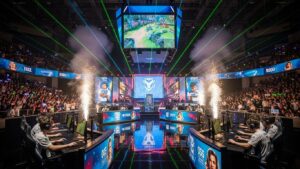
Global esports tournaments serve as massive cultural celebrations. Events like The International, the League of Legends World Championship, and the Valorant Champions Tour bring together fans and teams from every part of the world. These tournaments are not just competitions—they are showcases of unity, diversity, and cultural pride.
Fans display their national flags, cheer for their favorite players regardless of origin, and celebrate moments of brilliance from any team. Social media amplifies these experiences, allowing fans to share reactions, art, and stories across languages and regions. The excitement of a world championship transcends national identities and reinforces the sense that everyone is part of a single, global esports family.
Additionally, tournament organizers often incorporate cultural performances and local traditions into their events. Opening ceremonies may feature music, dance, or art from the host country, offering global audiences a chance to appreciate different cultures. This blending of gaming and culture transforms esports into a platform for global appreciation and mutual respect.
Teamwork and Empathy in Esports
At its core, esports is about teamwork. No matter how skilled an individual player is, success usually depends on coordination, communication, and cooperation with teammates. These qualities mirror the same social skills required to build friendships in any context.
When players from different backgrounds come together to compete, they must learn to listen, adapt, and empathize. They discover that effective teamwork requires understanding each other’s perspectives and respecting different communication styles. Over time, these habits translate into empathy and cross-cultural awareness.
For example, when a Western player learns to adjust to the disciplined and structured style of an Asian team, both sides grow in mutual understanding. Such experiences teach lessons about patience, humility, and respect that go far beyond the gaming arena.
Inclusivity and Representation in Esports
Esports is one of the most inclusive forms of global entertainment. Unlike traditional sports, it does not require specific physical attributes, making it accessible to people of all ages, genders, and backgrounds. This inclusivity naturally fosters diversity within the community and encourages friendship across cultural lines.
Representation has also improved significantly. International tournaments feature commentators, analysts, and players from all over the world, allowing fans to see themselves reflected in the global esports scene. This sense of inclusion helps build a stronger feeling of community.
Esports organizations increasingly promote diversity by recruiting players and staff from different regions and supporting initiatives that encourage underrepresented groups to participate. These efforts not only make the industry more equitable but also strengthen its power to connect cultures.
The Role of Technology in Connecting Cultures
Technology plays a crucial role in enabling cross-cultural friendships in esports. High-speed internet, social media, and communication tools make it easier than ever for players from opposite sides of the world to interact in real-time. Gaming platforms provide built-in chat, matchmaking, and community features that make international cooperation seamless.
Streaming platforms allow fans to follow their favorite teams regardless of location, participate in live chats, and engage with content in multiple languages. This accessibility makes esports one of the most interconnected entertainment ecosystems in the world.
Virtual reality and augmented reality are also shaping the future of cross-cultural interaction in esports. As these technologies develop, players will be able to interact in shared digital spaces that feel even more immersive and personal.
Cross-Cultural Learning Through Competition
Competition in esports fosters a unique form of cultural learning. Players constantly study their opponents’ strategies, which are often influenced by cultural tendencies in gaming styles. For instance, teams from different regions may have distinct tactical approaches or philosophies. By observing and adapting to these differences, players gain appreciation for diversity in thinking and creativity.
This mutual learning extends beyond the professional scene. Casual gamers who play against international opponents often encounter new perspectives on teamwork, strategy, and communication. These interactions challenge stereotypes and encourage open-mindedness.
Through competition, players learn that success is not tied to nationality or background but to effort, collaboration, and respect. This realization strengthens global unity within the esports community.
The Role of Esports Influencers and Content Creators
Influencers and streamers have become ambassadors of cross-cultural friendship in esports. Many of them interact daily with fans from different countries, creating communities centered around positivity and inclusion. Streamers often celebrate diversity by collaborating with others from various backgrounds, showcasing how gaming can unite people regardless of race, gender, or nationality.
Content creators use humor, storytelling, and shared experiences to bridge cultural gaps. Through videos, vlogs, and live chats, they foster a sense of belonging among international audiences. Fans who might never meet in person develop friendships through shared participation in these digital communities.
In this sense, esports influencers act as cultural diplomats, promoting understanding, tolerance, and friendship through entertainment.
Esports Education and Cultural Exchange Programs
As esports becomes more formalized, educational programs and cultural exchange initiatives are emerging. Universities around the world now offer esports degrees, scholarships, and international partnerships. These programs bring together students from different regions to study, compete, and learn about each other’s cultures.
Esports camps, tournaments, and global leagues also serve as platforms for cross-cultural education. Young players who participate in these programs not only improve their gaming skills but also gain exposure to new perspectives and traditions. These experiences help shape a generation of globally minded individuals who value diversity and collaboration.
Overcoming Stereotypes and Prejudices
Esports provides a unique environment for breaking down stereotypes. When people from different backgrounds play together, their focus is on teamwork and performance rather than nationality or race. Over time, these shared goals foster respect and reduce prejudice.
Gamers quickly realize that skill, creativity, and dedication have no cultural boundaries. A player from one country may become friends with someone from another simply because they share the same mindset or gaming passion. This equality of opportunity makes esports a powerful force for inclusivity.
Of course, like any online community, esports still faces issues such as toxicity or bias. However, as awareness and professionalism grow, more initiatives are being developed to promote respectful interaction. Community guidelines, diversity training, and educational programs are helping to ensure that esports remains a welcoming space for everyone.
The Future of Cross-Cultural Friendship in Esports
The potential for esports to continue building cross-cultural friendships is immense. As internet accessibility improves and gaming technology evolves, more people from developing regions will join the global esports ecosystem. This expansion will introduce new perspectives and enrich the community even further.
Future tournaments will likely feature even more diverse rosters, with players from emerging regions such as Africa, South America, and the Middle East taking center stage. This diversification will strengthen the industry’s global identity and continue to promote understanding across cultures.
Esports organizations will also play a larger role in cultural diplomacy. Partnerships between countries, universities, and gaming companies can use esports as a platform for international collaboration and peace-building. Just as traditional sports have historically united nations, esports can serve as the digital bridge for global harmony in the 21st century.
Conclusion
Esports has become more than just competitive gaming—it is a global movement that unites people through shared passion, teamwork, and respect. It breaks down cultural barriers and builds lasting friendships across continents. Through tournaments, online communities, communication, and collaboration, esports fosters understanding among people who might otherwise never interact.
In an increasingly divided world, esports stands as proof that common interests can overcome differences. Players and fans alike learn empathy, cooperation, and cultural appreciation through their shared experiences. The friendships formed in this digital arena demonstrate that despite varied languages, customs, or beliefs, humanity can connect through something as simple and joyful as gaming.
Esports continues to show that friendship knows no borders—and in the process, it is shaping a future where global unity is not just a dream but a daily reality.


More Stories
Pixels to Podiums: The Evolution of Esports in the Modern Era
Pixels to Powerhouses: How Esports Redefined Competition in the Digital Age
Pixels to Powerhouses: How Esports Redefined Competition in the Digital Age