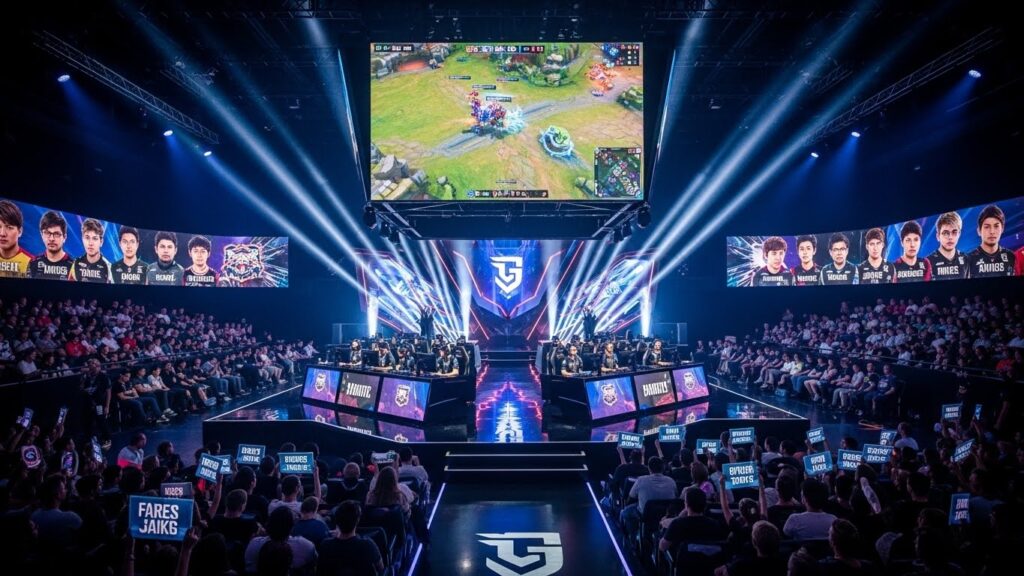
Esports has emerged as one of the most influential forms of competition and entertainment in the digital age. What began as casual gaming among friends has transformed into a global industry with professional players, massive audiences, and structured leagues. Esports is no longer confined to bedrooms or internet cafes; it now fills arenas, attracts sponsorships, and commands the attention of millions worldwide. This rapid evolution reflects changes in technology, culture, and the way people engage with competition. Understanding esports means understanding a new era of sport that blends skill, strategy, technology, and community.
The Early Foundations of Competitive Gaming
The foundation of esports was laid decades ago when early video games introduced competitive elements. Arcade machines in the late twentieth century allowed players to compete for high scores, fostering a sense of rivalry and achievement. As home consoles and personal computers became more common, multiplayer gaming expanded beyond physical locations. The introduction of local area networks enabled players to compete directly, forming early competitive communities. These grassroots competitions were driven by passion rather than profit, but they established the core principles of esports: competition, mastery, and recognition.
The Rise of Online Multiplayer Gaming
The expansion of the internet played a pivotal role in shaping esports. Online multiplayer gaming allowed players from different regions to compete without physical barriers. This connectivity led to the formation of online clans, ranked systems, and organized tournaments. Games became more complex, requiring not only mechanical skill but also strategic planning and teamwork. Online competition accelerated skill development and widened the talent pool, making esports a truly global phenomenon. The internet transformed gaming from a solitary activity into a shared competitive experience.
Professionalization of Esports
As esports gained popularity, it began to professionalize. Teams formed structured organizations with coaches, analysts, and support staff. Players trained for hours daily, refining strategies and improving coordination. Competitive leagues and tournaments introduced standardized rules, schedules, and prize structures. This professional framework legitimized esports as a serious pursuit rather than a hobby. Players became athletes in their own right, dedicating their lives to mastering their craft and competing at the highest level.
Popular Esports Genres and Their Appeal
Esports encompasses a wide range of game genres, each appealing to different audiences and skill sets. Multiplayer online battle arena games emphasize teamwork, map control, and strategic decision-making. First-person shooters reward precision, reflexes, and tactical awareness. Real-time strategy games focus on planning, resource management, and adaptability. Battle royale games test survival instincts and situational awareness. Fighting games highlight individual skill and mental resilience. This diversity allows esports to attract a broad audience and offers players multiple pathways to competition.
The Role of Streaming and Content Creation
Streaming has become inseparable from esports culture. Live broadcasts allow fans to watch tournaments, follow their favorite players, and learn advanced techniques. Content creators play a crucial role in expanding the esports ecosystem by producing tutorials, commentary, and entertainment. Streaming fosters interaction between players and viewers, creating communities built around shared interests. This accessibility has helped esports reach audiences far beyond traditional gaming circles and has made spectating an integral part of the experience.
Esports as a Career Path
Esports offers a wide range of career opportunities beyond professional play. Coaches develop strategies and guide team performance. Analysts study gameplay data to identify strengths and weaknesses. Commentators and hosts bring excitement and clarity to live events. Event organizers manage tournaments, while marketers and managers handle branding and sponsorships. Content creators and streamers build independent careers around their gaming expertise. This expanding ecosystem demonstrates that esports is not just about competition but also about creativity, communication, and business.
Mental and Physical Demands of Esports
Despite common misconceptions, esports demands significant mental and physical discipline. Players must maintain focus for extended periods, make rapid decisions under pressure, and adapt to constantly changing scenarios. Reaction time, hand-eye coordination, and strategic thinking are critical. Physical health also plays a role, as posture, endurance, and stress management affect performance. Many professional teams now emphasize fitness routines, mental coaching, and balanced lifestyles to support long-term success.
Esports and Youth Culture
Esports has become deeply embedded in youth culture. It provides a platform for self-expression, competition, and social connection. Young players often find a sense of belonging within gaming communities, where skill and dedication are valued. Esports also encourages problem-solving, collaboration, and perseverance. However, it is important to promote healthy habits, including time management and physical activity, to ensure positive development. When approached responsibly, esports can be a powerful tool for personal growth.
The Global Nature of Esports
One of esports’ greatest strengths is its global reach. Players from different countries compete on equal footing, united by shared rules and objectives. International tournaments showcase diverse playstyles and strategies, enriching the competitive landscape. Cultural exchange occurs naturally as fans and players interact across borders. This global connectivity has helped esports transcend traditional limitations of geography, making it one of the most inclusive competitive platforms in the world.
Economic Impact of Esports
Esports has grown into a significant economic force. Revenue streams include sponsorships, advertising, merchandise, ticket sales, and media rights. Large tournaments generate tourism and employment opportunities, while smaller events support local communities. Investment from major brands reflects confidence in esports’ long-term potential. As the industry matures, sustainable business models and professional standards continue to emerge, reinforcing esports’ position within the global entertainment economy.
Technology as the Backbone of Esports
Technology underpins every aspect of esports. High-performance hardware, low-latency networks, and advanced software enable fair and competitive play. Game developers continuously update titles to maintain balance and innovation. Data analytics tools help teams refine strategies and improve performance. Broadcasting technology enhances the viewing experience with real-time statistics and immersive visuals. The close relationship between technology and esports ensures constant evolution and adaptation.
Esports and Traditional Sports Comparisons
Esports is often compared to traditional sports, and the similarities are striking. Both involve structured competition, dedicated training, fan engagement, and professional organizations. Esports differs primarily in its digital nature, but the commitment and skill required are comparable. Many traditional sports organizations now invest in esports teams, recognizing shared values and audiences. These connections highlight esports’ legitimacy as a modern form of competitive sport.
Challenges Facing Esports
Despite its growth, esports faces challenges. Issues such as player burnout, inconsistent regulation, and fair competition require attention. Balancing commercial interests with community values is an ongoing concern. Inclusivity and accessibility must continue to improve to ensure diverse participation. Addressing these challenges responsibly will be essential for maintaining the integrity and sustainability of esports as it continues to expand.
The Future of Esports
The future of esports is filled with possibility. Advances in technology will create new ways to play and watch competitive games. Educational institutions are increasingly recognizing esports as a legitimate field of study and competition. Broader acceptance from mainstream media and society will further integrate esports into global culture. As the industry matures, it will continue to refine its structures, values, and impact.
Conclusion: Esports as a Defining Movement
Esports represents more than competitive gaming; it represents a shift in how society understands sport, competition, and community in the digital age. From humble beginnings to global stages, esports has proven its ability to inspire, connect, and innovate. It combines technology, creativity, and human skill in a way that reflects modern life. As esports continues to evolve, it will shape the future of entertainment and competition, standing as a defining movement of the twenty-first century.



More Stories
Pixels to Powerhouses: How Esports Redefined Competition in the Digital Age
Pixels to Powerhouses: How Esports Redefined Competition in the Digital Age
Pixels to Powerhouses: How Esports Became a Global Competitive Culture