Introduction: The Rise of Digital Competition
Esports, once dismissed as a niche pastime for hobbyists, has evolved into one of the most influential forms of competitive entertainment in the modern world. What began in small gaming arcades and home consoles has transformed into packed arenas, international leagues, and a billion-dollar industry. Today, esports is not just about playing video games; it is about strategy, teamwork, storytelling, branding, and global community. Its growth reflects deeper changes in technology, media consumption, and how younger generations engage with competition.
Understanding What Esports Really Is
Esports, short for electronic sports, refers to organized competitive gaming where individuals or teams compete in structured tournaments. These competitions span a wide range of genres, including multiplayer online battle arenas, first-person shooters, real-time strategy games, sports simulations, and fighting games. Unlike casual gaming, esports requires professional-level commitment, including daily practice, tactical preparation, and performance under pressure. The competitive structure mirrors traditional sports, with leagues, seasons, championships, coaches, analysts, and dedicated fan bases.
From Basement Tournaments to Stadium Events
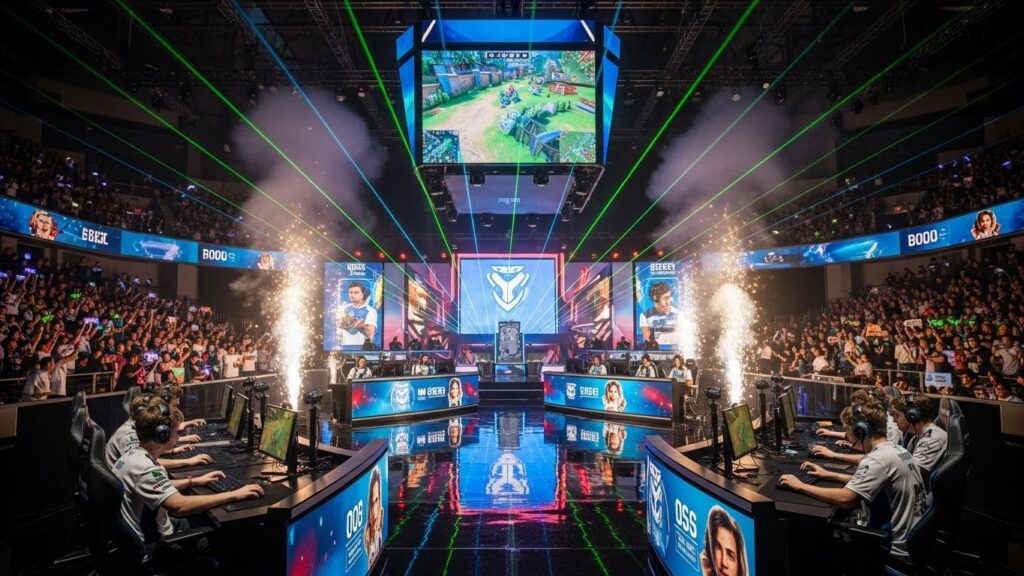
The early days of esports were humble. Small tournaments were often hosted in community centers, internet cafes, or private homes. As internet connectivity improved and streaming platforms gained popularity, competitive gaming found a global audience. Viewers could watch matches live, interact with commentators, and support their favorite teams from anywhere in the world. Over time, prize pools grew, sponsorships followed, and esports events began filling large arenas. This shift marked a turning point, proving that digital competition could rival traditional sports in scale and excitement.
The Role of Technology in Esports Growth
Technology is the backbone of esports. High-speed internet, powerful gaming hardware, and advanced software have made competitive gaming accessible and reliable. Streaming technology allows millions of viewers to watch matches in real time, while data analytics tools help teams analyze gameplay and refine strategies. Virtual reality, augmented reality, and artificial intelligence are beginning to influence how games are played and viewed, hinting at an even more immersive future. Without these technological advancements, esports would not have been able to expand beyond local competitions.
Professional Players and the Discipline Behind the Screens
Esports athletes are often misunderstood as simply playing games for a living, but the reality is far more demanding. Professional players follow strict training schedules that include mechanical practice, strategic review, physical exercise, and mental conditioning. Reaction time, decision-making, and teamwork are critical skills that must be constantly refined. Many players work with coaches, psychologists, and fitness trainers to maintain peak performance. The pressure to perform is intense, especially in high-stakes tournaments where a single mistake can determine the outcome.
Team Dynamics and Strategy in Competitive Gaming
Team-based esports titles rely heavily on coordination and communication. Success is rarely about individual skill alone. Teams develop complex strategies, assign specific roles, and practice coordinated movements to outplay their opponents. Trust and chemistry are essential, as players must rely on each other in fast-paced and unpredictable situations. Just like traditional sports teams, esports organizations invest time in building strong team cultures to ensure long-term success.
The Business Side of Esports
Esports has grown into a major commercial industry. Revenue streams include sponsorships, advertising, merchandise, media rights, ticket sales, and in-game purchases. Brands from both gaming and non-gaming sectors have entered the space, recognizing the value of reaching a young, engaged audience. Professional teams operate as businesses, managing player contracts, marketing campaigns, and fan engagement strategies. This commercialization has brought stability and legitimacy, but it has also introduced challenges related to sustainability and fair competition.
Streaming, Content Creation, and Fan Engagement
One of the defining features of esports is its close relationship with fans. Streaming platforms allow viewers to interact with players and commentators in real time, creating a sense of community that is rare in traditional sports. Many esports professionals also build personal brands through content creation, sharing behind-the-scenes moments, tutorials, and entertainment. This direct connection helps fans feel invested in players’ journeys and strengthens loyalty to teams and leagues.
Esports as a Career Path
Beyond professional players, esports has created a wide range of career opportunities. Coaches, analysts, broadcasters, event organizers, marketers, graphic designers, and developers all play vital roles in the ecosystem. Educational institutions have begun offering esports programs and scholarships, recognizing the industry’s potential. For many young people, esports represents a legitimate and aspirational career path that combines passion with professional growth.
Cultural Impact and Global Reach
Esports transcends borders, languages, and cultures. International tournaments bring together players and fans from diverse backgrounds, united by a shared love of competition. This global nature has helped esports become a cultural bridge, fostering understanding and collaboration across regions. In some countries, esports athletes are celebrated as national heroes, and major tournaments are treated as cultural events. The influence of esports can be seen in fashion, music, and online trends, further embedding it into popular culture.
Challenges Facing the Esports Industry
Despite its success, esports faces several challenges. Player burnout is a growing concern due to intense schedules and high expectations. Issues related to fair play, cheating, and match integrity require constant vigilance. Financial sustainability remains uneven, with some organizations struggling to balance expenses and revenue. Additionally, the industry must address inclusivity and diversity to ensure that esports remains welcoming to all participants.
The Future of Competitive Gaming
The future of esports looks promising but complex. As technology continues to evolve, new forms of competition and viewing experiences will emerge. Mobile esports, virtual environments, and cross-platform play are expanding the audience even further. At the same time, the industry must mature responsibly, prioritizing player welfare, ethical standards, and long-term stability. If these challenges are met, esports has the potential to become a permanent pillar of global entertainment.
Conclusion: More Than Just a Game
Esports is no longer a fringe activity or passing trend. It is a dynamic, multifaceted industry that blends competition, technology, culture, and community. Its journey from small gatherings to global spectacles reflects the changing nature of entertainment in the digital age. As esports continues to grow, it challenges traditional definitions of sport and redefines what it means to compete, connect, and succeed in a connected world.



More Stories
Pixels to Podiums: The Evolution of Esports in the Modern Era
Pixels to Powerhouses: How Esports Redefined Competition in the Digital Age
Pixels to Powerhouses: How Esports Redefined Competition in the Digital Age