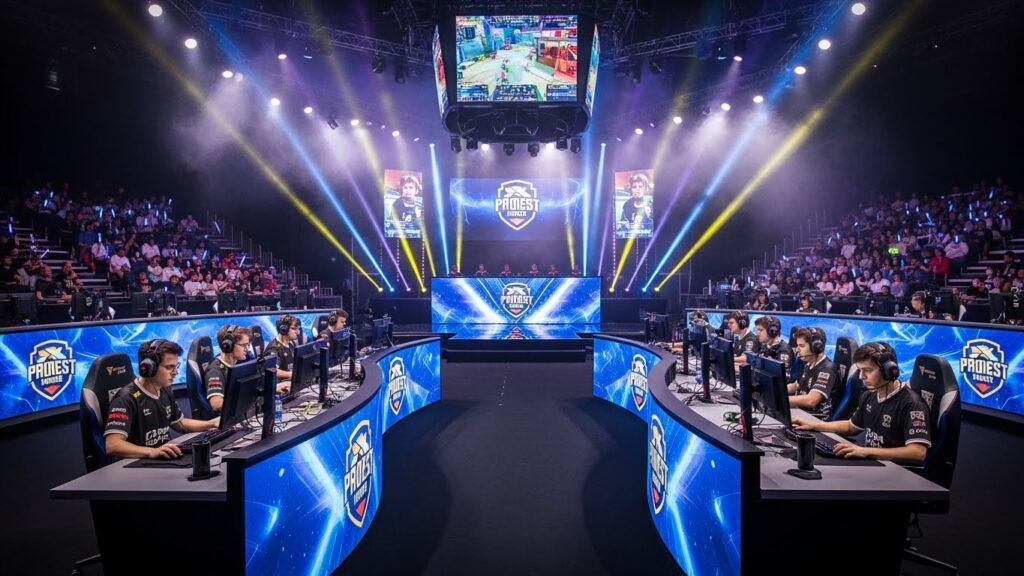
Esports, or electronic sports, has grown from a niche hobby into a global phenomenon that rivals traditional sports in popularity, viewership, and professional opportunities. Once dismissed as casual gaming, esports now commands massive audiences, multi-million-dollar tournaments, and sponsorship deals that attract brands worldwide. Competitive gaming has evolved into a complex ecosystem, combining skill, strategy, technology, and entertainment. This blog explores the rise of esports, its structure, technological innovations, economic impact, cultural significance, challenges, and future trends.
The Rise of Esports
Esports began modestly in the late 20th century with small-scale tournaments for arcade and console games. Early competitions, often held in local arcades or gaming centers, featured games such as Street Fighter, Quake, and StarCraft. While initially informal, these events laid the groundwork for organized competitive gaming.
The growth of the internet and online multiplayer platforms transformed esports into a global phenomenon. Games such as League of Legends, Dota 2, Counter-Strike: Global Offensive, and Fortnite attracted massive player bases and audiences. Live streaming platforms allowed fans to watch tournaments in real time, breaking geographic barriers and creating international communities. Today, esports tournaments can fill arenas with tens of thousands of fans while millions more watch online, reflecting its mainstream appeal.
Structure and Organization of Esports
Esports is organized in a variety of formats, from small community tournaments to international championships. Professional players and teams operate under structured systems similar to traditional sports, including leagues, contracts, and seasonal competitions.
Professional Leagues and Tournaments
Professional esports leagues feature seasonal competitions, playoffs, and championships. Teams often function like sports franchises, signing players under contracts with salaries, performance incentives, and benefits. Tournaments can follow different formats, including single-elimination, double-elimination, and round-robin, depending on the game and organizer preferences. These formats test both individual skill and team strategy.
Game Genres in Competitive Play
Esports encompasses a variety of game genres, each with unique competitive requirements. Multiplayer online battle arenas (MOBAs) such as League of Legends and Dota 2 require strategic planning, teamwork, and real-time decision-making. First-person shooters (FPS) like Counter-Strike: Global Offensive and Call of Duty emphasize reflexes, precision, and tactical coordination. Battle royale games such as Fortnite demand adaptability and survival instincts in dynamic environments. Fighting games, racing simulations, and sports titles like FIFA also have dedicated esports communities.
Player Roles and Team Dynamics
Team-based esports rely heavily on defined player roles and collaboration. Each player may specialize in offense, defense, support, or strategic control, requiring seamless communication and coordination. While individual skill is crucial, victories often depend on teamwork, adaptability, and strategic planning.
Technological Innovations Driving Esports
Esports owes much of its growth to technology that enhances both gameplay and spectator experiences.
High-Speed Internet and Cloud Gaming
Reliable internet is fundamental for real-time competition. Cloud gaming technology allows players to access high-performance games without investing in expensive hardware, expanding esports participation to a broader audience.
Live Streaming Platforms
Live streaming platforms have revolutionized esports viewership. Fans can watch competitions in real time, engage with commentators, and interact with other viewers. Streaming has also created opportunities for content creators, analysts, and esports personalities to build careers, contributing to a diverse and engaging ecosystem.
Analytics and Performance Tools
Data-driven tools are increasingly important in esports. Analytics track player performance, game metrics, and opponent tendencies, providing insights for training and strategy refinement. These tools not only help players improve but also enhance spectator engagement by offering real-time statistics and in-depth analysis during tournaments.
Virtual Reality and Augmented Reality
Virtual reality (VR) and augmented reality (AR) are beginning to influence competitive gaming. VR esports create immersive experiences where players physically interact with virtual environments, while AR overlays provide interactive visual aids. These technologies promise to transform both gameplay and spectator engagement.
Economic Impact of Esports
Esports is a multi-billion-dollar industry with substantial economic influence. Professional players earn salaries, sponsorship deals, and prize money, while teams generate revenue through merchandise, media rights, and ticket sales.
Sponsorships are a key driver of revenue, with brands from technology, apparel, beverages, and other industries partnering with teams, tournaments, and streaming platforms. Media rights and broadcasting deals also provide significant income, similar to traditional sports.
Beyond players and teams, esports supports a broad ecosystem, creating jobs in event management, content creation, marketing, analytics, and broadcasting. The demand for high-performance gaming equipment drives innovation in hardware and software, fueling economic growth across multiple sectors.
Cultural Significance of Esports
Esports has become a cultural phenomenon that shapes entertainment, social interaction, and lifestyle trends. Major tournaments draw global audiences comparable to traditional sporting events. Fans engage deeply with professional players, streamers, and content creators, forming passionate communities.
Esports has also changed the perception of gaming. Once considered a casual pastime, competitive gaming is now recognized as a legitimate discipline that requires skill, strategy, and dedication. Professional players inspire younger generations and create role models in the digital era.
Social media amplifies esports culture, enabling fans to share highlights, discuss strategies, and celebrate victories. Cosplay, fan art, and online communities foster a sense of identity and belonging, contributing to esports’ cultural impact.
Challenges Facing Esports
Despite its rapid growth, esports faces several challenges that must be addressed for sustainable development.
Player Health and Wellbeing
Professional esports demands long hours of practice, which can lead to physical and mental health issues. Eye strain, repetitive strain injuries, poor posture, stress, and burnout are common. Organizations are increasingly emphasizing physical fitness, mental health support, and balanced schedules to maintain player wellbeing.
Regulatory and Legal Issues
Esports operates across multiple regions, creating legal and regulatory complexities. Issues such as player contracts, intellectual property, gambling regulations, and broadcasting rights require careful management. Establishing consistent policies and protections is essential to ensure fair competition and industry credibility.
Market Saturation and Competition
The proliferation of games, tournaments, and teams creates a competitive market. Organizers must differentiate events through high-quality production, marketing, and fan engagement. Balancing accessibility for new participants with maintaining professional prestige is an ongoing challenge.
Maintaining Competitive Integrity
Ensuring fair play is critical in esports. Cheating, hacking, or exploiting game mechanics can undermine audience trust and the credibility of competitions. Anti-cheat systems, monitoring tools, and strict enforcement policies are essential for sustaining competitive integrity.
The Future of Esports
The future of esports is filled with exciting opportunities and innovations. Mobile esports is expanding rapidly, allowing players without high-end PCs or consoles to compete professionally. VR and AR technologies promise immersive experiences that redefine gameplay and viewership.
Esports is likely to become more mainstream, with increased recognition in traditional media, sponsorships, and educational programs. Collegiate esports programs are emerging, offering structured pathways for aspiring professional players. Schools and universities may increasingly provide scholarships and training programs, similar to traditional sports.
Globalization will continue to drive growth, connecting players and fans from diverse regions. International tournaments foster cultural exchange and collaboration, while advancements in AI, streaming, and cloud gaming enhance performance and accessibility.
Conclusion
Esports has transformed the gaming landscape, turning digital entertainment into a professional, organized, and globally recognized industry. From humble beginnings in arcades to international tournaments with millions of viewers, esports combines skill, strategy, technology, and entertainment to create unique experiences for players and fans alike.
The industry’s economic, cultural, and social impact is profound, providing careers, fostering communities, and inspiring new generations. Despite challenges such as player health, legal complexities, and market saturation, esports continues to grow, driven by innovation and passion.
The future of esports promises greater accessibility, immersive gameplay, and worldwide engagement. Competitive gaming is no longer just a pastime; it is a cultural revolution that continues to redefine how we play, watch, and interact in the digital age.



More Stories
Pixels to Podiums: The Evolution of Esports in the Modern Era
Pixels to Powerhouses: How Esports Redefined Competition in the Digital Age
Pixels to Powerhouses: How Esports Redefined Competition in the Digital Age