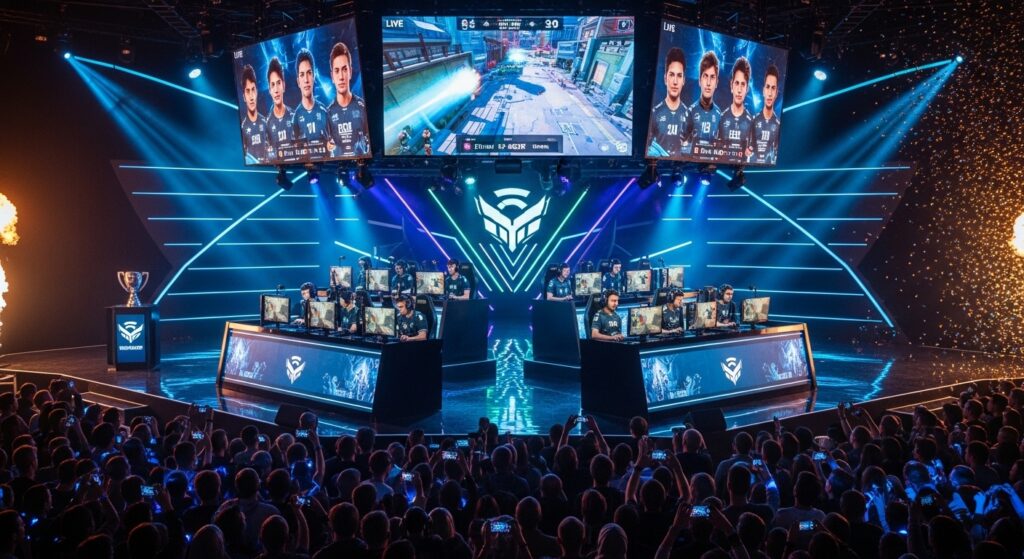
Esports, short for electronic sports, has transformed the landscape of competitive gaming. What once began as casual tournaments among friends has evolved into a global phenomenon, captivating millions of viewers, attracting sponsorships from major corporations, and establishing professional players as celebrities. This blog explores the evolution, cultural impact, economic significance, and future of esports, offering a comprehensive look into the world of competitive gaming.
Origins of Esports: From Arcades to Online Arenas
The roots of esports can be traced back to the late 1970s and early 1980s, when video games started gaining popularity in arcades. Games like Space Invaders, Pac-Man, and Donkey Kong were not only recreational activities but also fostered competitive communities. High score competitions became early forms of organized gaming contests.
The 1990s marked a pivotal era with the rise of home consoles and personal computers. Titles like Quake, StarCraft, and Counter-Strike introduced multiplayer modes that allowed players to compete locally and eventually over networks. LAN (Local Area Network) parties became social hubs for gaming enthusiasts, laying the groundwork for modern esports tournaments.
The introduction of the internet revolutionized esports, enabling players to compete globally. Online platforms facilitated tournaments where skill, strategy, and teamwork became paramount, turning gaming into a spectator sport. By the 2000s, esports had grown beyond niche communities and entered mainstream consciousness.
Popular Esports Games and Genres
Esports spans multiple genres, each with a unique appeal and fan base. The most popular genres include:
1. Multiplayer Online Battle Arenas (MOBAs): Games like League of Legends and Dota 2 dominate this genre. Players control a character with unique abilities and work in teams to destroy the opponent’s base. MOBAs are strategic, requiring teamwork, quick decision-making, and in-depth knowledge of game mechanics.
2. First-Person Shooters (FPS): Titles such as Counter-Strike: Global Offensive, Call of Duty, and Valorant focus on combat and precision aiming. FPS esports demand fast reflexes, spatial awareness, and teamwork, attracting both competitive players and a passionate viewing audience.
3. Battle Royale Games: Popularized by Fortnite, PUBG, and Apex Legends, this genre challenges players to survive in a shrinking arena. Battle royale games combine strategy, adaptability, and mechanical skill, offering unpredictable and exciting competitive experiences.
4. Sports Simulations: Games like FIFA, NBA 2K, and Madden NFL replicate traditional sports digitally. Esports in this genre attract both fans of the sport and competitive gamers, bridging the gap between real-world athletics and digital competition.
5. Fighting Games: Titles such as Street Fighter, Tekken, and Super Smash Bros. have a long-standing presence in esports. Fighting games require precise timing, reflexes, and deep understanding of character matchups, offering intense one-on-one competition.
The Esports Ecosystem: Players, Teams, and Organizations
Esports has evolved into a complex ecosystem, comprising professional players, teams, coaches, analysts, and support staff. Top players often dedicate their lives to mastering their game, practicing for eight to twelve hours daily, analyzing strategies, and participating in tournaments.
Professional teams such as Fnatic, T1, and Cloud9 operate like traditional sports franchises. They recruit talent, provide training facilities, and negotiate sponsorship deals. Teams also manage fan engagement through streaming platforms and social media, building a loyal audience that contributes to both revenue and cultural influence.
Coaches and analysts play crucial roles in preparing teams for high-stakes competitions. They study opponents, devise strategies, and guide players in improving mechanics and decision-making. This structured support reflects the professionalism and organization of modern esports.
Major Esports Tournaments and Events
Esports tournaments have become global spectacles, drawing massive audiences both in-person and online. Some of the most prestigious events include:
1. The International (Dota 2): Known for its enormous prize pools, often exceeding $40 million, The International is a pinnacle event in the MOBA scene. It showcases top-tier talent and attracts viewers worldwide.
2. League of Legends World Championship: This annual event determines the best League of Legends team globally. With live audiences filling stadiums and millions tuning in online, it highlights the popularity and scale of esports.
3. CS:GO Majors: Counter-Strike: Global Offensive tournaments feature elite teams competing for substantial prizes. Majors are recognized for their high skill level, strategic depth, and intense rivalries.
4. Fortnite World Cup: A landmark event for battle royale games, Fortnite’s World Cup emphasized the viability of esports in mainstream culture, offering multi-million-dollar prizes and global media coverage.
5. EVO Championship Series (Fighting Games): EVO is the premier event for fighting games, attracting competitors from around the world and celebrating the technical mastery and artistry of the genre.
These tournaments not only highlight competitive excellence but also foster community engagement, sponsorships, and media attention, driving the esports industry forward.
Esports as a Career: Opportunities and Challenges
The rise of esports has created diverse career opportunities beyond professional gameplay. Players, streamers, coaches, analysts, event organizers, content creators, and marketers all contribute to the industry. Salaries and sponsorships for top players can rival traditional sports, while streaming platforms provide additional revenue through subscriptions, donations, and brand partnerships.
However, pursuing esports as a career also comes with challenges. Intense practice schedules can lead to physical strain, mental fatigue, and burnout. The competitive landscape is unforgiving, with only a small percentage of players achieving long-term financial stability. Despite these obstacles, the growth of esports academies, training programs, and wellness initiatives aims to provide better support for aspiring professionals.
The Economic Impact of Esports
Esports has emerged as a significant economic force. The global esports market generates billions of dollars annually through sponsorships, media rights, merchandise, ticket sales, and advertising. Major brands such as Intel, Nike, and Coca-Cola invest heavily in esports sponsorships, recognizing the platform’s influence among younger demographics.
Streaming platforms like Twitch, YouTube Gaming, and Facebook Gaming have further monetized esports, allowing fans to watch events live, follow favorite players, and interact with communities. This digital ecosystem creates opportunities for businesses, content creators, and investors alike.
The proliferation of esports betting and fantasy leagues has also introduced new revenue streams. While controversial, these activities highlight the widespread commercialization and mainstream acceptance of competitive gaming.
Esports Culture: Community, Streaming, and Social Interaction
Esports is more than just competition; it is a cultural phenomenon. Streaming platforms have turned gameplay into a social experience, where viewers can engage with players through live chats, reactions, and shared content. Communities form around specific games, teams, and personalities, fostering a sense of belonging and collective identity.
Cosplay, fan art, online forums, and discussion groups contribute to the cultural vibrancy of esports. Events often blend entertainment with competition, featuring live performances, interactive experiences, and fan meetups. This combination of social engagement, performance, and competition distinguishes esports from traditional sports.
The rise of influencers and content creators in esports has also reshaped media consumption. Players who stream regularly build personal brands, bridging the gap between professional competition and casual entertainment. Their presence strengthens the industry’s appeal and ensures that esports remains a constantly evolving cultural force.
Technological Advancements Driving Esports
Esports growth is closely tied to technological innovation. High-speed internet, advanced graphics, and sophisticated gaming peripherals enhance gameplay and streaming quality. Innovations in virtual reality, augmented reality, and artificial intelligence are poised to transform esports, creating immersive experiences for players and spectators alike.
Analytics and data-driven strategies have become integral to competitive success. Teams use performance metrics, heat maps, and AI-assisted analysis to optimize strategies and improve player performance. This scientific approach to gaming mirrors trends in traditional sports, emphasizing preparation, precision, and adaptation.
Esports and Education: Bridging Learning and Competition
Esports is increasingly being integrated into educational programs. Schools and universities offer esports scholarships, clubs, and curricula, recognizing its potential for skill development, teamwork, and strategic thinking. Academic institutions use esports to teach subjects such as game design, computer science, marketing, and management.
Participation in esports promotes critical thinking, communication skills, and resilience. Students learn to handle competition, set goals, and manage time effectively. By bridging education and competitive gaming, esports fosters personal development while opening pathways to professional opportunities in technology, media, and entertainment.
The Future of Esports: Growth and Global Expansion
The future of esports looks promising, with continued growth in viewership, revenue, and mainstream acceptance. Emerging markets in Asia, South America, and the Middle East are expanding the global reach of esports. Investments from traditional sports organizations, media companies, and technology firms are accelerating industry development.
Esports may also influence traditional sports, with hybrid events combining digital and physical competition. Technological advances, increased accessibility, and the rise of mobile esports are likely to attract new audiences and participants. As esports becomes increasingly professionalized and globally recognized, it has the potential to rival traditional sports in popularity and cultural significance.
Conclusion: Esports as a Cultural and Economic Force
Esports has evolved from a niche pastime into a global powerhouse, blending competition, entertainment, and community. It offers career opportunities, economic growth, and cultural influence, shaping how games are played, watched, and experienced. With continuous innovation, expanding audiences, and increasing legitimacy, esports is poised to redefine the boundaries of sports, entertainment, and social interaction.
The journey of esports is far from over. From humble arcade beginnings to stadium-filling tournaments and millions of online viewers, competitive gaming has proven its capacity to engage, inspire, and transform the digital world. As esports continues to evolve, its influence will likely extend beyond screens, shaping culture, education, and society for generations to come.



More Stories
Pixels to Podiums: The Evolution of Esports in the Modern Era
Pixels to Powerhouses: How Esports Redefined Competition in the Digital Age
Pixels to Powerhouses: How Esports Redefined Competition in the Digital Age